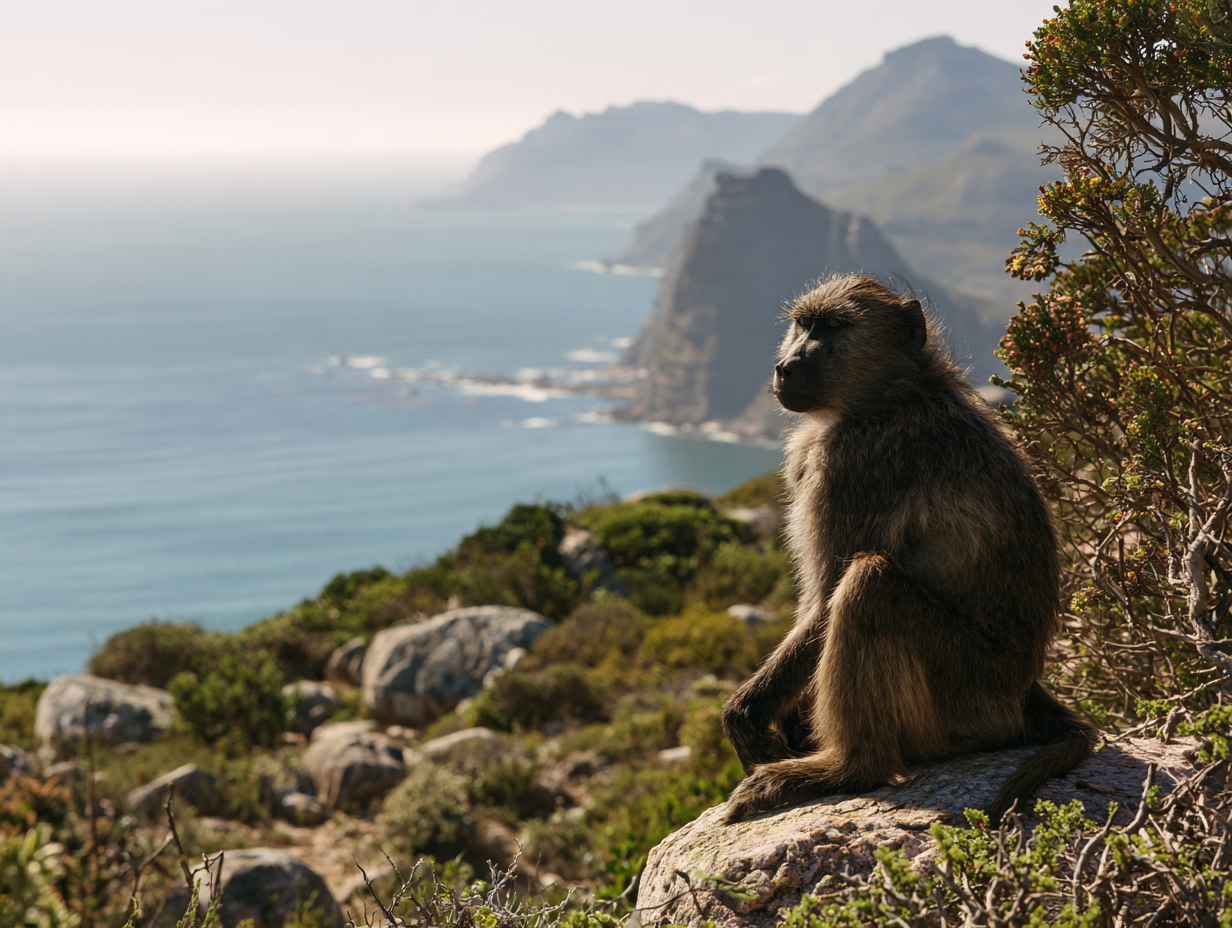
The relocation of 44 wild Cape Town baboons from a suburb to a sanctuary has sparked protests, with authorities saying the move will protect the animals and opponents arguing they should remain free.
The Waterfall troop was captured in Simon’s Town, a seaside suburb of the South African city, and taken to a facility called Kogelfontein. A second, smaller troop from nearby Seaforth is also due to be moved.
The decision follows persistent conflict between people and baboons in the urban area. Authorities say relocation became necessary because of risks to the animals’ welfare and public safety, while campaigners argue that moving wild baboons into captivity is the wrong response.
Why Were the Cape Town Baboons Moved?
The growth of both human and baboon populations in Cape Town has brought them into closer contact, increasing conflict and contributing to baboon deaths.
The Cape of Good Hope SPCA highlighted the dangers facing urban baboons following the death of a baboon named Fluffy. The organisation says baboons are being shot with air rifles daily and face abuse, inappropriate food and conflict around homes and businesses. It warned that access to food in residential areas shouldn’t be mistaken for evidence that the animals are thriving.
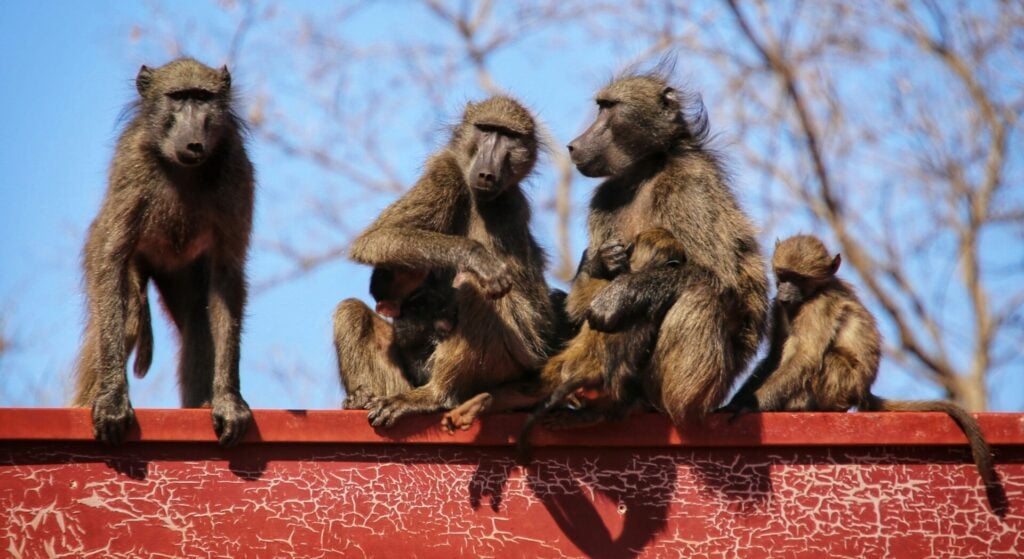
The City of Cape Town said the Waterfall troop’s relocation was a last resort, undertaken after other interventions had been deemed ineffective and as an alternative to culling.
In a statement, the city said its decision reflected ‘the severity and persistence of human-baboon conflict in the Simon’s Town urban environment’, alongside limited natural low-lying habitat, increasing risks to the baboons’ welfare and public safety concerns.
Opponents believe the emphasis should have been on finding ways for humans and baboons to coexist. For them, removing the troop from its familiar surroundings raises concerns about the animals’ freedom and their future as wild baboons.
Some animal rights activists have compared authorities’ baboon management to apartheid, and outraged protesters have tried to stop vehicles taking the baboons away.
SPCA Urges Protesters Not to Delay Transport
Following the confrontation, the local Cape of Good Hope Society for the Prevention of Cruelty to Animals (SPCA) urged those opposed to the relocation not to obstruct the vehicles.
Although the organisation remained opposed to the move, it said that delaying transport would prolong the time the cape Town baboons spent confined in crates, which would add to their distress.
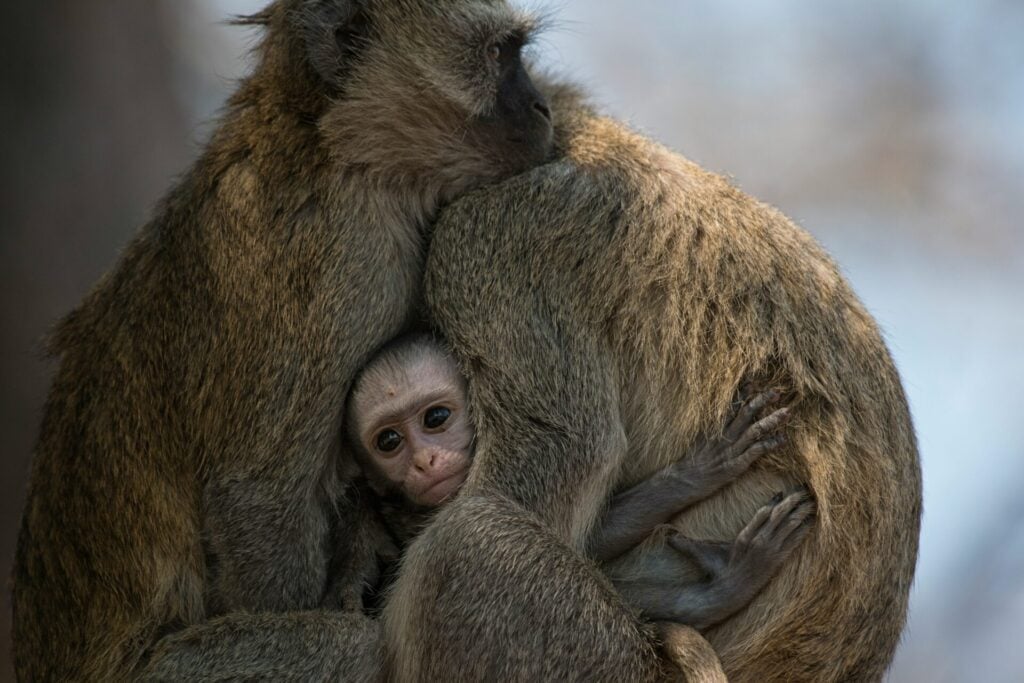
‘Capture and transport are already stressful for the baboons,’ it said in a statement. ‘Delaying their arrival prolongs their time in crates and risks adding to that stress – this is not fair on the baboons.’
However, the society emphasised that it remained opposed to the baboon’s relocation, adding: ‘Our presence did not imply support; our inspectors are present because the animals need someone looking out for them.’
Campaigners have sat outside the wildlife centre in a silent protest, with some tying flowers to the fence.
‘We stand together for the Seaforth and Waterfall troops, for their freedom, their dignity and their right to live as wild animals,’
Mandy Neal, the administrator of the Save Kogelfontein Baboons Facebook group, posted, calling for weekly Sunday silent protests.‘Our message is simple: captivity is not conservation.’
How Are the Cape Town Baboons Settling In?
Despite concerns about the effects of capture and relocation, early observations suggest the Waterfall troop is adjusting to its new surroundings.
Speaking to radio station CapeTalk, Jenni Trethowan of Baboon Matters said images and videos from the facility showed the animals appearing more settled than anticipated.
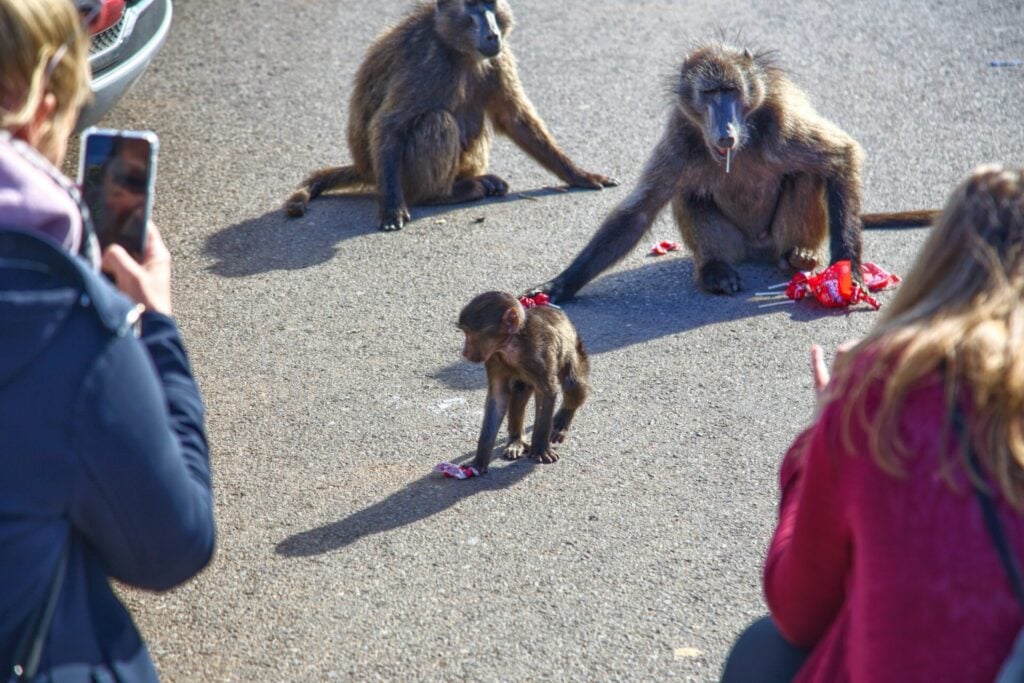
‘We were expecting to see a lot of stress. We were expecting to see a lot of anxious animals at this change of environment. But what we are seeing is that animals appear to have settled down very well.’
She added: ‘This is the first time in their lives that those juvenile baboons will have woken up and not been chased with guns.’
The City of Cape Town said the relocation had been successful. The baboons had been checked by vets, the females had received contraceptive implants and the troop was being monitored around the clock.
It stated: ‘The Waterfall troop has been relocated due to the severity and persistence of human-baboon conflict in the Simon’s Town urban environment, the limited available natural low-lying habitat, the increasing risk to the baboons’ welfare, and public safety concerns, as a very last resort after other interventions were evaluated and deemed ineffective, and as an alternative to culling.’