

Have you ever stopped mid-sentence and wondered how a child might be interpreting what you’ve just said? Long before empathy is explained or discussed, it’s modelled in the way we as adults respond to stress, difference, and other people’s emotions.
Empathy isn’t something families sit down and formally teach. It shows up in everyday moments, like how disagreements are handled at the dinner table, how frustration is handled after a long school day, or how adults speak about people who aren’t in the room.
Children absorb how others are treated and how feelings are handled at home, and when empathy is nurtured there, it becomes a natural part of how they grow up.

Social awareness is much the same. It develops through conversations, experiences, and the way families respond to difference, conflict, and change. These values aren’t only taught, but they are absorbed through observation. When empathy is modelled consistently, it becomes less of a lesson and more of a natural way of moving through the world.
Here are five ways you can ensure you’re setting the right example to your children, and giving them the gift of empathy:
Modeling Empathy Through Daily Interactions
Children learn empathy most effectively by watching how adults behave. When parents speak respectfully, acknowledge feelings, and show patience during stressful moments, children absorb these behaviours. Simple actions like apologising when wrong or offering comfort during disappointment demonstrate emotional understanding.
These moments teach that emotions are valid and deserve attention. Modeling empathy also includes how adults talk about people outside the family. Speaking kindly about others, even in challenging situations, shows children how to approach the world with compassion rather than judgment.
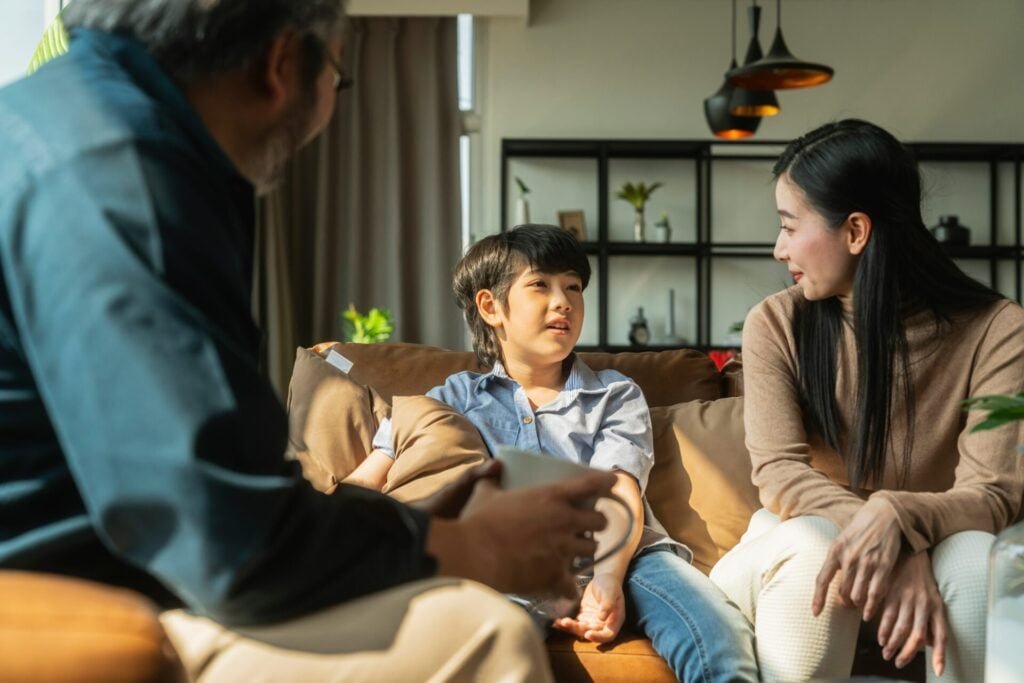
Active listening is a key element of empathy and social awareness, and involves paying attention, showing interest, and responding thoughtfully. When children feel heard, they learn that their feelings matter, and this builds trust and emotional security. Parents who listen without interrupting or dismissing concerns create space for honest expression.
Listening also teaches patience and respect. Family conversations where each person has a chance to speak help everyone practice understanding different viewpoints. Over time, this habit strengthens emotional bonds and encourages open communication
Using Stories and Media to Build Awareness
Stories and media can be an easy starting point for conversations about empathy, especially when they’re already part of family life. Reading a book together before bed, watching a film on a rainy afternoon, or even talking about a short clip can open the door to discussions about feelings, fairness, and behaviour.

A parent might pause a story to ask why a character acted a certain way, how someone else in the scene might be feeling, or what could have been done differently. Films and television shows offer similar opportunities, from examining how conflict is handled to discussing exclusion, kindness, and accountability. Choosing age-appropriate books, programmes, or films helps children engage with themes they can relate to, while sharing the experience together keeps media from becoming passive background noise.
Education as a Foundation for Empathy in Family Life
Education plays an important role in shaping how families understand empathy and social
awareness. Learning about emotions, communication, and social responsibility helps parents
guide their children with greater intention and understanding. Formal learning experiences, whether through books, workshops, or meaningful conversations with educators, often provide insight into emotional development and healthy relationships.
Some adults choose to deepen this foundation through an MSW online program, which focuses
on understanding human behaviour, emotional well-being, and social connection while offering
the convenience of learning from home and managing family responsibilities.
Education helps families recognise empathy as a skill that develops through awareness and daily practice. It also encourages caregivers to view social awareness as an evolving process shaped by learning, reflection, and experience.
Creating Inclusive Family Traditions
Family traditions play a powerful role in shaping empathy and social awareness, often without anyone realising it.
Everyday rituals like birthdays, religious celebrations such as Ramadan or Diwali, or seasonal gatherings create moments where difference, generosity, and togetherness are actively practised rather than explained.

These occasions offer natural opportunities to talk about gratitude, giving, and consideration for others, whether that’s sharing food with neighbours during Ramadan, understanding the meaning behind Diwali’s focus on light and renewal, or making space for different traditions within mixed families and communities. Even small rituals, like marking personal achievements or showing up for one another during difficult times, help children understand what care looks like in action.
Naming Feelings
Empathy grows when emotions are noticed and talked about openly. In families, that often starts with simple language like naming feelings as they happen, rather than rushing to fix or dismiss them. Saying ‘that looks frustrating’ or ‘I can see why you’re excited’ helps children and adults alike recognise what they’re feeling in the moment.
Making space for a full range of emotions – happiness, sadness, anger, disappointment – without judgement builds emotional literacy over time. It teaches that feelings aren’t something to hide or control, but something to understand. When families respond with curiosity and care, rather than criticism or urgency, they create an environment where empathy can take root and grow naturally.
Shared Responsibilities

Everyday responsibilities at home are often where children first learn about cooperation and fairness. Simple tasks like setting the table, helping to prepare a meal, caring for a pet, or tidying shared spaces show that everyone plays a part in keeping the household running.
When responsibilities are shared, rather than assigned as punishments, they open space for conversations about effort, appreciation, and teamwork. Children begin to see how their actions affect others, whether that’s making mornings run more smoothly or helping someone else feel supported. These lessons naturally extend beyond the home, shaping how children approach group work at school, friendships, and community settings, where cooperation and consideration matter just as much.
Teaching empathy and social awareness in everyday family life is not about perfection, but it is about consistency, and openness. Through education, modelling listening, and sharing experiences, families can create spaces where emotional understanding grows naturally. By nurturing empathy at home, families are contributing to a more thoughtful and connected society for the future.