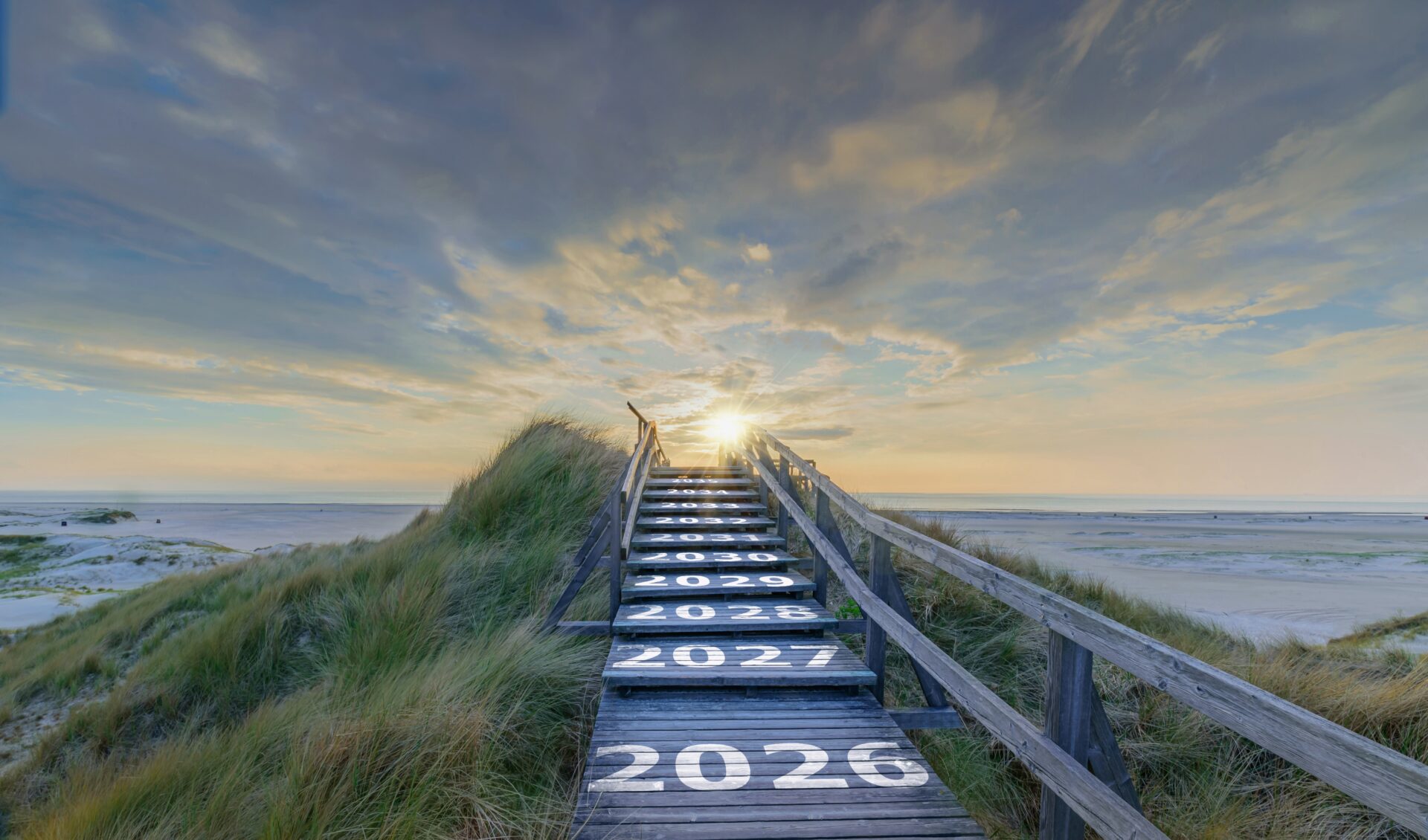
It’s here, 2026. And with it, all the promises that we will be better. But on New Year’s Day, most of us aren’t planning revolutions, we’re clearing up bottles, and entering the new year nursing hangovers. That’s fine. Anyone who’s ever tried to change anything knows it doesn’t happen in one celebratory moment. It takes time and comes over an accumulation of ordinary days.
When it comes to doing better for Planet earth this year, we are well equipped to make those small but meaningful changes. We know far more in 2026 than we did a decade ago about climate breakdown and the cost of convenience, yet most of us continue roughly the way we always have, not because we don’t care, but because modern life is quite frankly too fast, and often it’s built to make caring complicated.
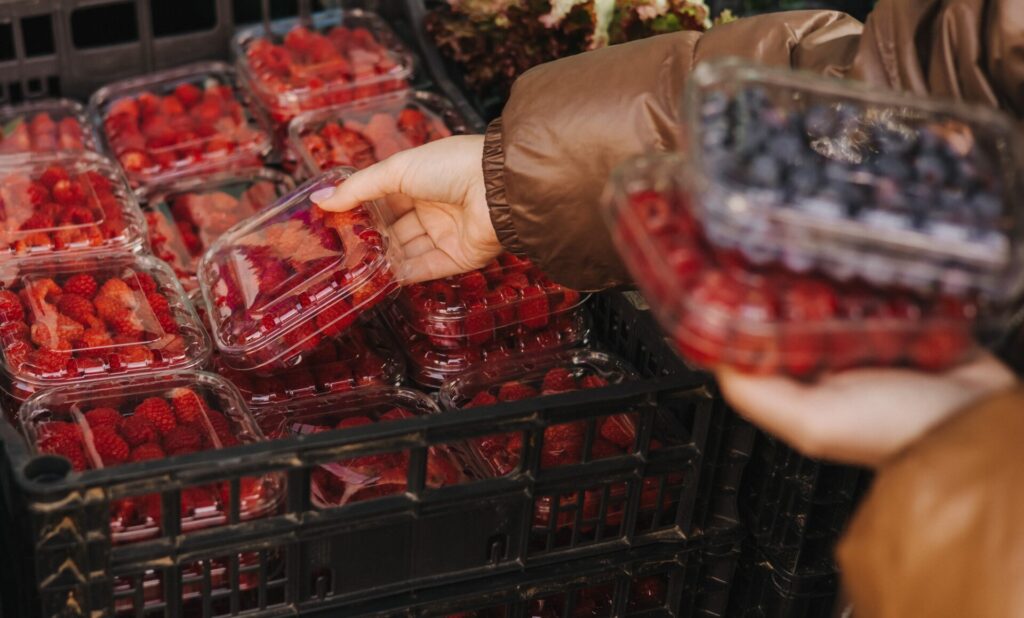
Take food. How often do you pick up avocados that have flown thousands of miles and grown in drought-stricken regions, that sit in your fridge uneaten until they are thrown out? Berries are now available all year-round as if seasons never existed. We know the water statistics, because we’ve seen the reels and read the headlines, but when a child wants strawberries in January and we have a hundred things to do, our ethics often give way to making life more manageable.
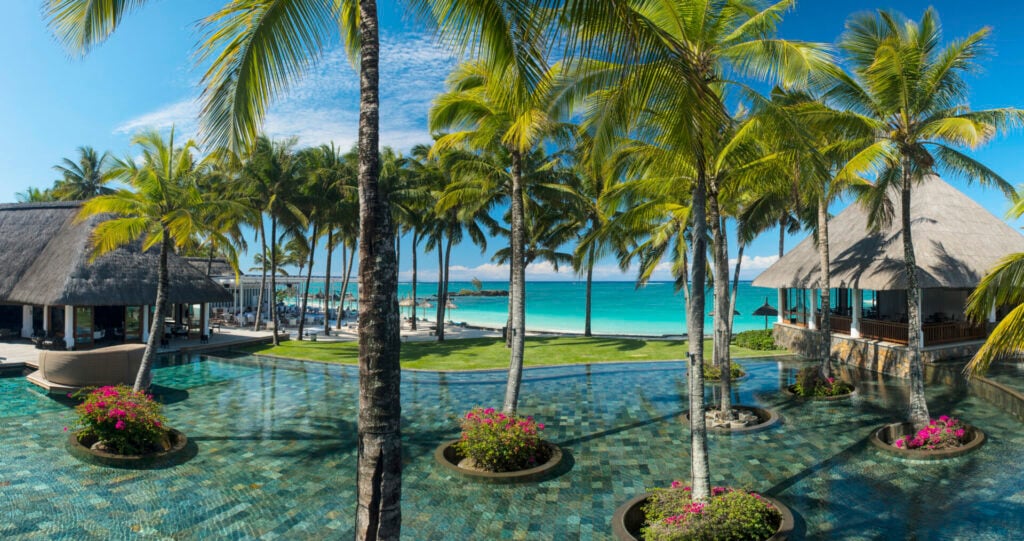
Or travel. A cheap flight pops up on your screen, and the environmental cost feels abstract and distant. And everyone else is travelling so why shouldn’t you? Until another summer breaks heat records, or another coastline disappears. The problem isn’t travel itself, but the kind of tourism that has been allowed to take over… short stays, high turnovers, fragile destinations accepting far more visitors than they can manage even while local communities see less benefit.
Fashion tells a similar story. A dress that’s worn once, while warehouses lie full of clothes that will never be worn. Most people don’t throw clothes away with malice, but because today’s fashion industry has been created to feel disposable.
Individual Choices Count
OK, no amount of recycling will offset a global system built on mass production, and no personal ethics can replace politics. But individual choices often create the conditions that make change possible.
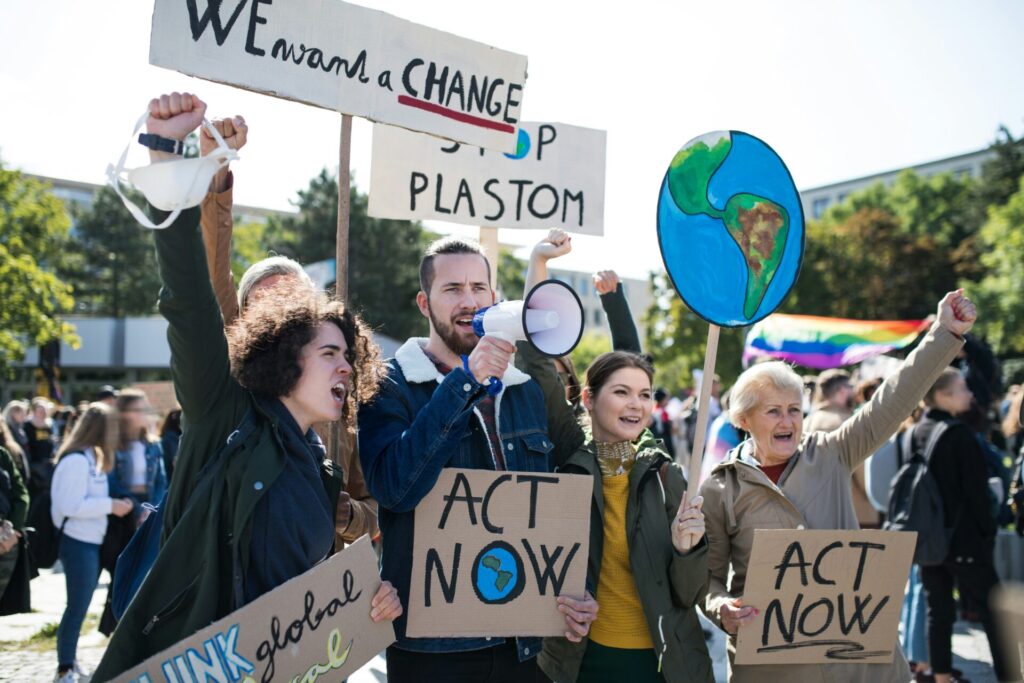
Plastic bag use in the UK didn’t fall by over 95 per cent because shoppers suddenly became virtuous, it dropped after a government banned them. And that change only happened after years of public concern and campaigning over plastic pollution.
The recovery of the ozone layer followed a similar path. The Montreal Protocol, which banned CFCs, was an international agreement driven by scientific evidence and public alarm about skin cancer and environmental harm. In both cases, individual behaviour helped change regulations.
So what can you do in 2026 to help protect our planet for future generations?
Spend locally, even when it’s less convenient
One of the most immediate ways to make a difference in 2026 is also one of the least glamorous: keeping money local. Buying produce grown nearby instead of imported food flown halfway across the world keeps farmers in business. Choosing a local café or clothes shop over a global chain means wages are more likely to stay in the community rather than disappear into offshore accounts. And when travelling, staying in a locally owned lodges that care for their ecosystems can be the difference between tourism that cares for a place and tourism that destroys it.
Eat with the seasons, not the algorithm
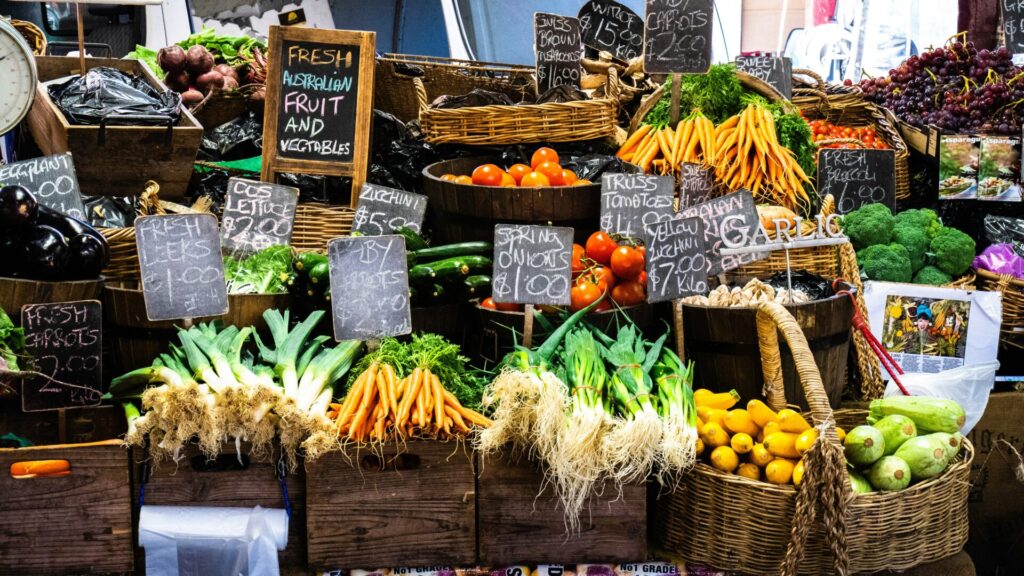
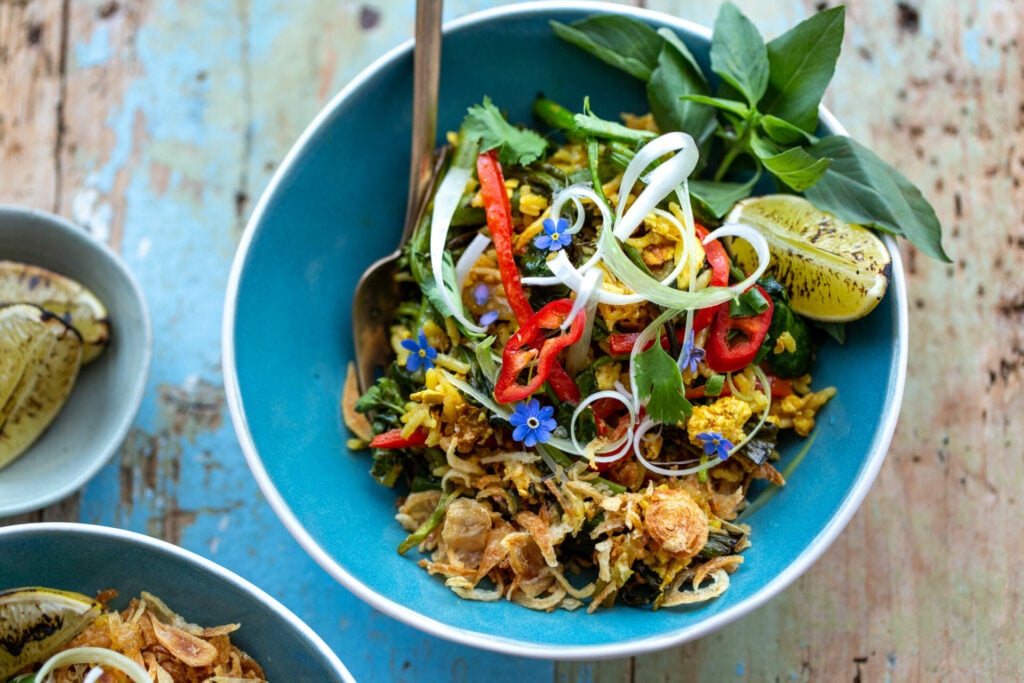
The ability to eat almost anything, anywhere, at any time of year has come at a cost that is increasingly hard to ignore. Eating more seasonally in 2026 doesn’t mean restricting yourself, it means letting availability guide what you put on your plate. In the UAE, supermarkets now stock a growing range of vegetables grown locally, while winter farmers’ markets offer incredible locally grown produce that directly supports the farmer – often manning the stalls themselves. Seasonal food requires less energy and less water to reach your plate, and it reconnects you with culture, something modern supply chains have worked hard to hide.
Travel consciously, not blindly
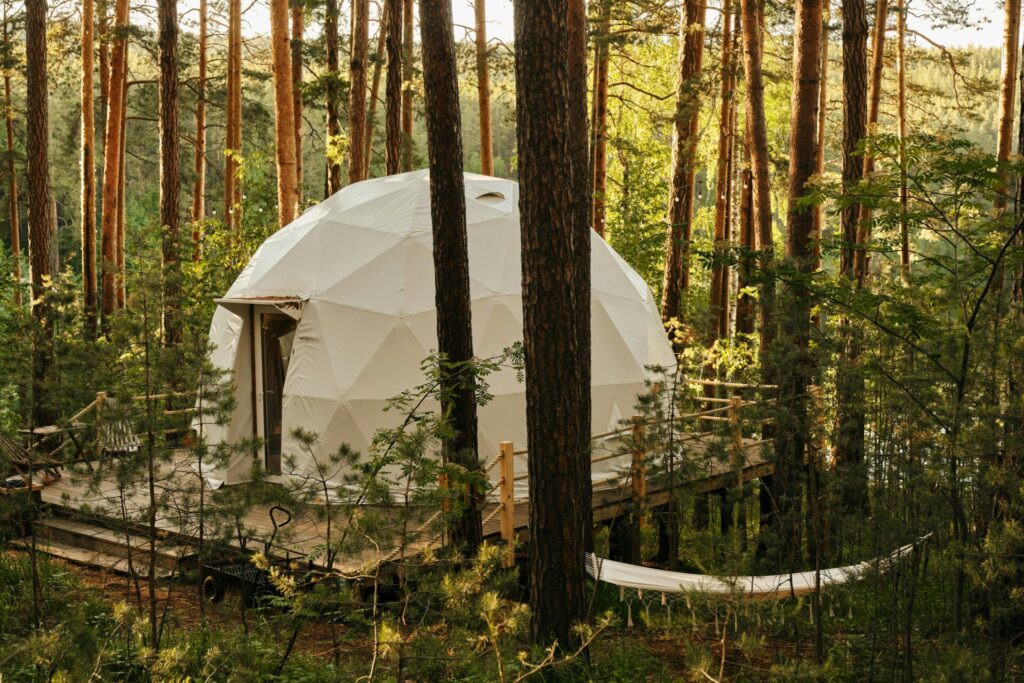
Travelling less in 2026 is not the only option, travelling better matters just as much. Choose destinations and operators that are transparent about where money goes, how staff are treated, and how local ecosystems are protected. Some of the best experiences are community-run lodges, conservation-linked stays, or locally guided trips where tourism revenue supports education, wildlife protection or cultural preservation. Saving for a trip that is regenerative will have a far better impact than multiple budget breaks that strip destinations of what made them special in the first place.
Support policy change, even when it feels distant
Many of the most effective environmental protections in history came from regulation, not individual lifestyle change. Clean air laws that reduced smog in major cities, vehicle emissions standards that forced carmakers to cut pollution, and the creation of marine protected areas that revived collapsing fisheries all came from policy decisions. Supporting organisations that push for these kinds of reform, whether that’s about conservation, labour rights, pollution or climate, helps move issues out of simply being a concerned chat with your friends, to actual policy.
Buy fewer things, and keep them longer
Overconsumption is one of the hardest habits to change because it has become so normalised. Buying fewer items, from clothes, to electronics and homeware – and using them for longer – reduces demand. Repairing instead of replacing, choosing quality over quantity, and resisting the constant churn of upgrades all weaken systems built on disposability. In the UAE, thrifting and resale have grown steadily, with second-hand clothing stores for kids and adults, pop-ups and online platforms making it easier to buy pre-loved rather than new.
New Year’s Day can be a clean slate to adjust the ordinary parts of life — the shopping, the eating, the travelling – where impact accumulates. Nothing about change is easy, but at least it’s honest. And honesty is a better place to start than optimism.