The UK government will not meet wildlife protection targets, and is failing on almost all environmental measures, according to a new watchdog report.
Examining its work across England and Northern Ireland, the Office for Environmental Protection (OEP) watchdog has said seven of the 10 targets set in the Environment Act 2021 have little chance of being met by the 2030 deadline.
The targets cover protecting plants and wildlife, securing clean and plentiful water, reducing exposure to pesticides and chemicals, cutting emissions, preventing the spread of harmful organisms, minimising waste, and using natural resources sustainably.
The three remaining targets – clean air quality, reducing the harmful impact of environmental hazards, and improving the beauty of nature, are only partially attainable, says the report.
Glenys Stacey, chair of the OEP, said: ‘Our report comes at a time when government is focused on economic growth. Nature has a role to play here, an important role. It is not a blocker to growth, but it enables, drives and protects economic growth.
‘Nature’s recovery is a pre-requisite of prosperity, health and well-being. Recent analyses, led by the Cabinet Office, of the chronic risks facing this country are sobering. They talk of accelerating climate change, biodiversity loss, and pollution having cascading, compounding impacts, which will amplify threats to national and international security, the economy and communities.’
Rare Wildlife Protection
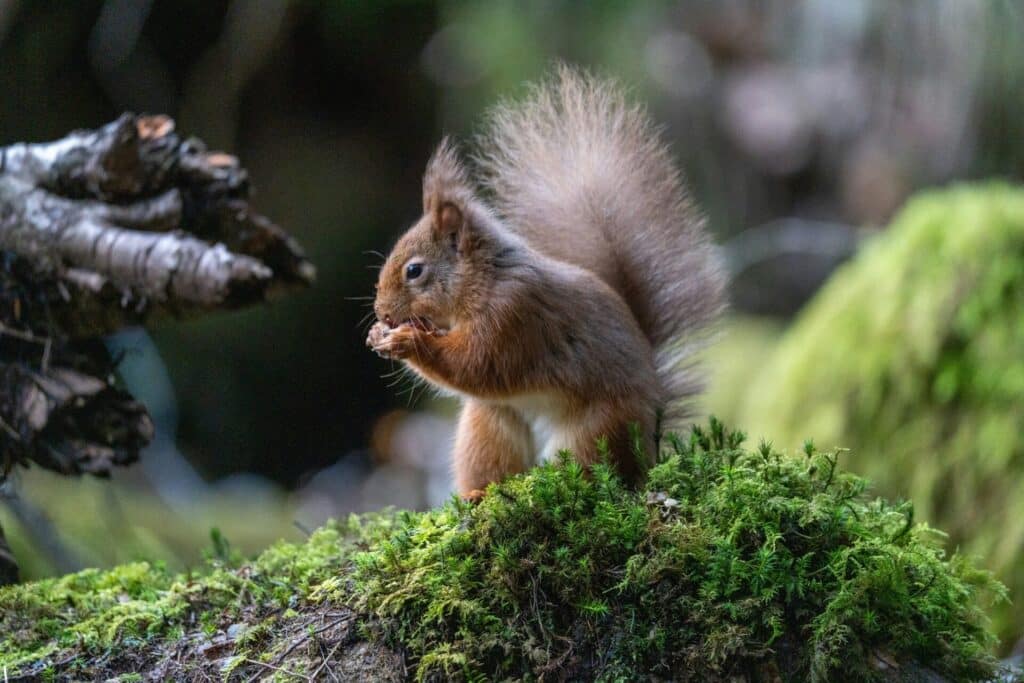
The biodiversity target, which means stopping the decline of rarer wildlife, such as red squirrels, will almost certainly not be met as the report states: ‘Important species continue to decline. The opportunity to effect further change ahead of the 2030 target has now largely passed.’
The watchdog says some current government policies pose a threat to the natural world – citing the planning and infrastructure bill, which could allow developers to build on currently protected sites.
Robbie McDonald, chief scientist at the OEP, said: ‘We are concerned that this approach could lead to loss of valuable habitats.’
Rachel Reeves, the chancellor, has previously described wildlife such as snails, spiders, bats and newts as a block to economic growth.
Stacey said: ‘We have previously called for government to speed up and scale up its efforts if it is to achieve its environmental ambitions and commitments, and we renew that call now. While we have seen more progress in this year than in the previous reporting period, it was not the step change needed.
‘The government must now decide whether or not it is going to meet those targets. What happens now matters.’
The OEP was set up to hold the government to account under the Environment Act 2021, which was passed to replace European Union law, after Britain left the EU.