Clean beauty’ has become one of the industry’s most powerful marketing terms, appearing on everything from moisturisers and shampoos to make-up and sunscreen. Yet despite its widespread use, there is no universal definition of what ‘clean’ actually means. For consumers trying to make more informed choices, navigating ingredient lists, sustainability claims and greenwashing can feel increasingly confusing.
To separate fact from fiction, The Ethicalist sat down with Claire Louvet, founder of clean beauty destination Ô Naturel Boutique, to discuss the biggest misconceptions surrounding clean beauty, the ingredients she believes consumers should pay closer attention to, and why transparency matters more than ever.
TE: What are some of the biggest misconceptions consumers have about clean beauty?
Claire Louvet: The biggest misconception is that the term ‘clean’ actually means something regulated. It doesn’t. There is no universal definition, no governing body, no standard a product has to meet before a brand can use the word. So, when a consumer picks up something labelled clean, they’re trusting the brand’s own interpretation of what that means, and those interpretations vary enormously. Reading the front of the packaging is not enough. The ingredient list is the only thing that tells you what’s actually in a product.
The second is that cleaner formulations mean lower performance or a less pleasant experience. When I started looking seriously at ingredients, it genuinely wasn’t easy to find products I enjoyed using that also met my standards. That is no longer the case. Formulations have come a long way.
And a third, worth mentioning briefly: that clean beauty is only accessible at a premium price point. That perception exists and it has held people back — though it’s becoming less true as the category grows and more options enter the market.
There is no universal definition, no governing body, no standard a product has to meet before a brand can use the word. So, when a consumer picks up something labelled ‘clean’, they’re trusting the brand’s own interpretation of what that means
TE: Are there any ingredients consumers should pay particular attention to when reading beauty labels?
Some ingredients are relatively easy to spot and avoid: Parabens always end in paraben — for example: methylparaben, propylparaben, butylparaben. Sulphates are usually listed as sodium lauryl sulphate or sodium laureth sulphate. Once you know the pattern, they jump out. Others worth knowing: PEGs, EDTA, BHA and BHT, and the word fragrance or parfum.
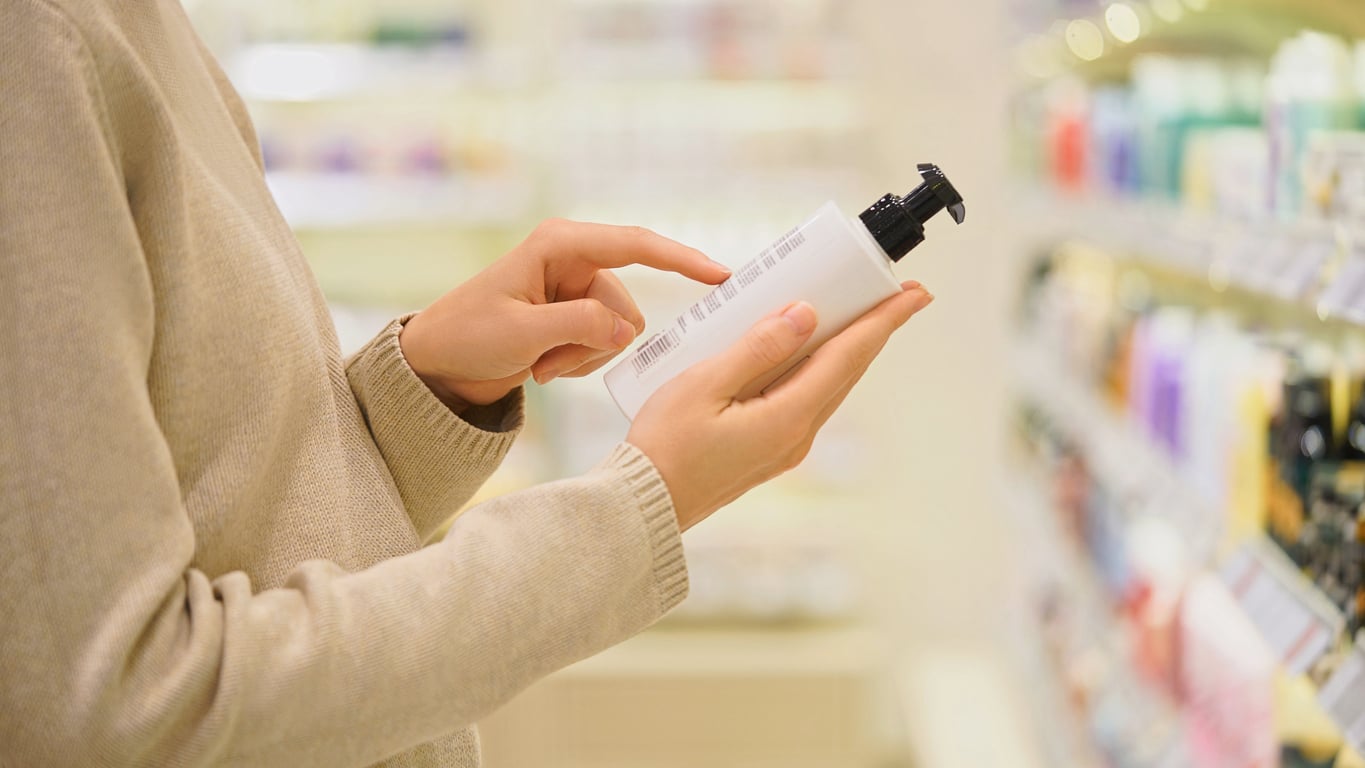
On fragrance specifically: unless a brand explicitly states it uses natural fragrance or is phthalate-free, I would be cautious, particularly for children or during pregnancy and breastfeeding.
And for SPF products, check the active ingredients. These chemical UV filters are suspected hormone disruptors and worth avoiding: oxybenzone, octinoxate, homosalate, and octocrylene. Mineral filters like zinc oxide are the cleaner alternative.
Every October, beauty brands turn pink to raise awareness for breast cancer — while continuing to sell products containing ingredients linked to endocrine disruption and hormonal imbalance. That contradiction is hard to ignore.
TE: Do you think the beauty industry needs stricter regulations around the use of words like ‘natural’, ‘non-toxic’ and ‘clean’?
Absolutely. Most consumers don’t know what’s in their beauty products, and those who do have no reliable way to find safer alternatives, while clinical studies link conventional beauty products to measurable levels of hormone-disrupting chemicals in the body.
‘Clean’ remains a marketing claim, not a guarantee. Every October, beauty brands turn pink to raise awareness for breast cancer — while continuing to sell products containing ingredients linked to endocrine disruption and hormonal imbalance. That contradiction is hard to ignore.

Regulation around terms like ‘non-toxic’ and ‘clean’ is overdue. Marketing budgets will always be larger than awareness budgets. Brands that are not truly clean will continue to make convincing claims as long as they’re allowed to. Regulation is what ultimately levels the playing field.
A simple but meaningful first step would be requiring brands and retailers to disclose the full ingredient list wherever a product is sold, including online. In food, this is standard. In beauty, it still isn’t. If you can’t see what’s in a product, you can’t make an informed choice.
TE: What are some of the most common forms of greenwashing you see in the beauty space?
Greenwashing in beauty – or what some now call ‘cleanwashing’ – is the practice of making misleading claims about how safe, natural, or clean a product is. And it takes many forms.
A brand might claim it’s free from ‘heavy fragrance’ without specifying what that means or whether phthalates are still present. Removing one controversial ingredient doesn’t make a product clean. It just makes it easier to market
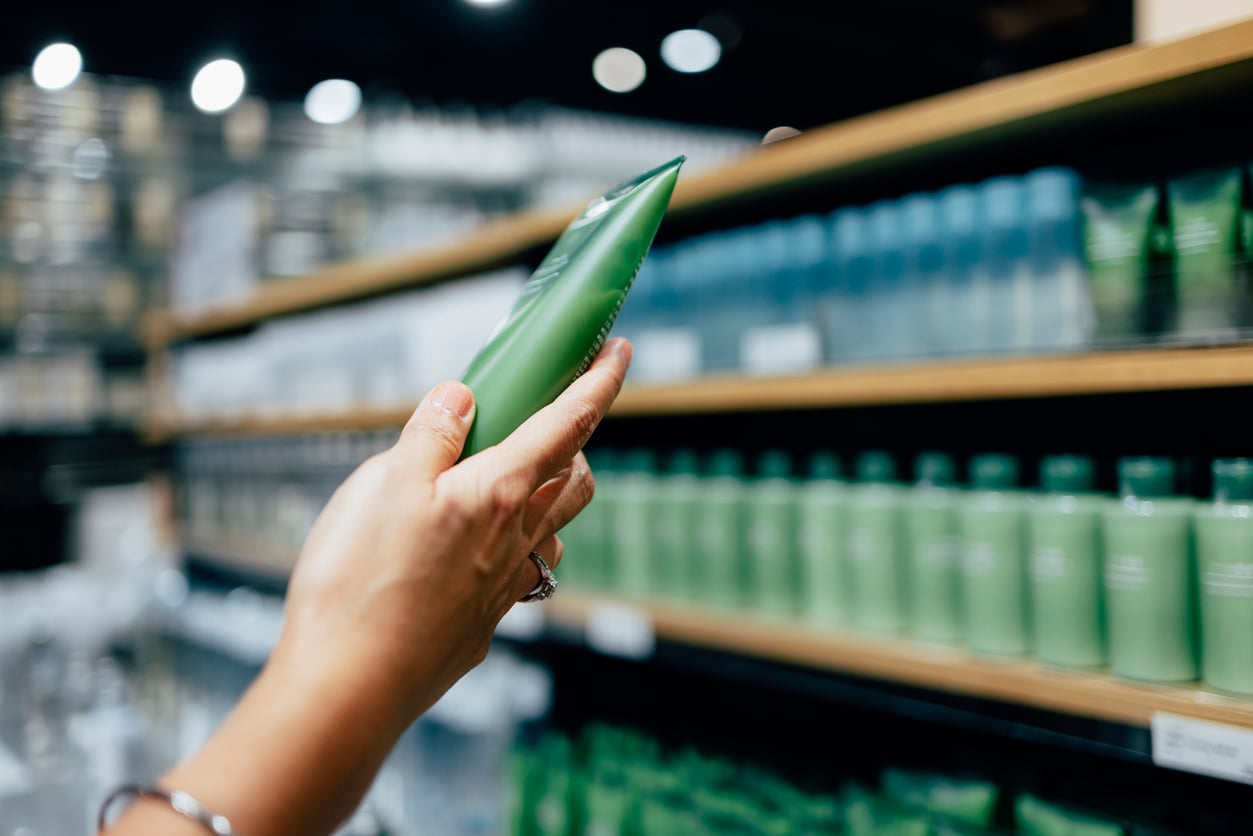
The most obvious is visual: green packaging or leafy motifs. The aesthetic of clean and sustainable, without the substance. Some brands create their own labels: ‘Clean Standard’, ‘Conscious Formula’, that sound like certifications but are entirely self-defined, with no independent verification.
Then there’s selective ‘free from’ marketing. A brand highlights that a product is paraben-free or sulphate-free – which may be true – but says nothing about what else is in the formula. A brand might claim it’s free from ‘heavy fragrance’ without specifying what that means or whether phthalates are still present. Removing one controversial ingredient doesn’t make a product clean. It just makes it easier to market.
The word ‘natural’ is another one. A product can be 90 per cent naturally derived and still contain problematic ingredients in the remaining 10 per cent. ‘Naturally derived’ can also describe ingredients so heavily processed that very little of the original plant remains. It’s a spectrum, not a standard.
And then there’s the broadest form: brands that call themselves clean according to their own definition, while using ingredients that are flagged as problematic by third-party apps or listed as substances of concern in EU cosmetics regulations.
The EU is moving to address some of this — a new Greenwashing Directive banning unsubstantiated environmental claims comes into force in 2026. But it focuses on environmental claims. The safety of ingredients in clean beauty remains largely unregulated.
TE: For someone trying to build a cleaner beauty routine, what are the simplest first steps you’d recommend?
The first thing I always say: don’t change everything at once. You need to know whether a new product works for your skin, and that’s much easier to assess when you introduce things one at a time. Consistency also matters more than people realise; any routine, clean or not, only works if you stick to it.
In terms of where to start, I’d focus on three things.
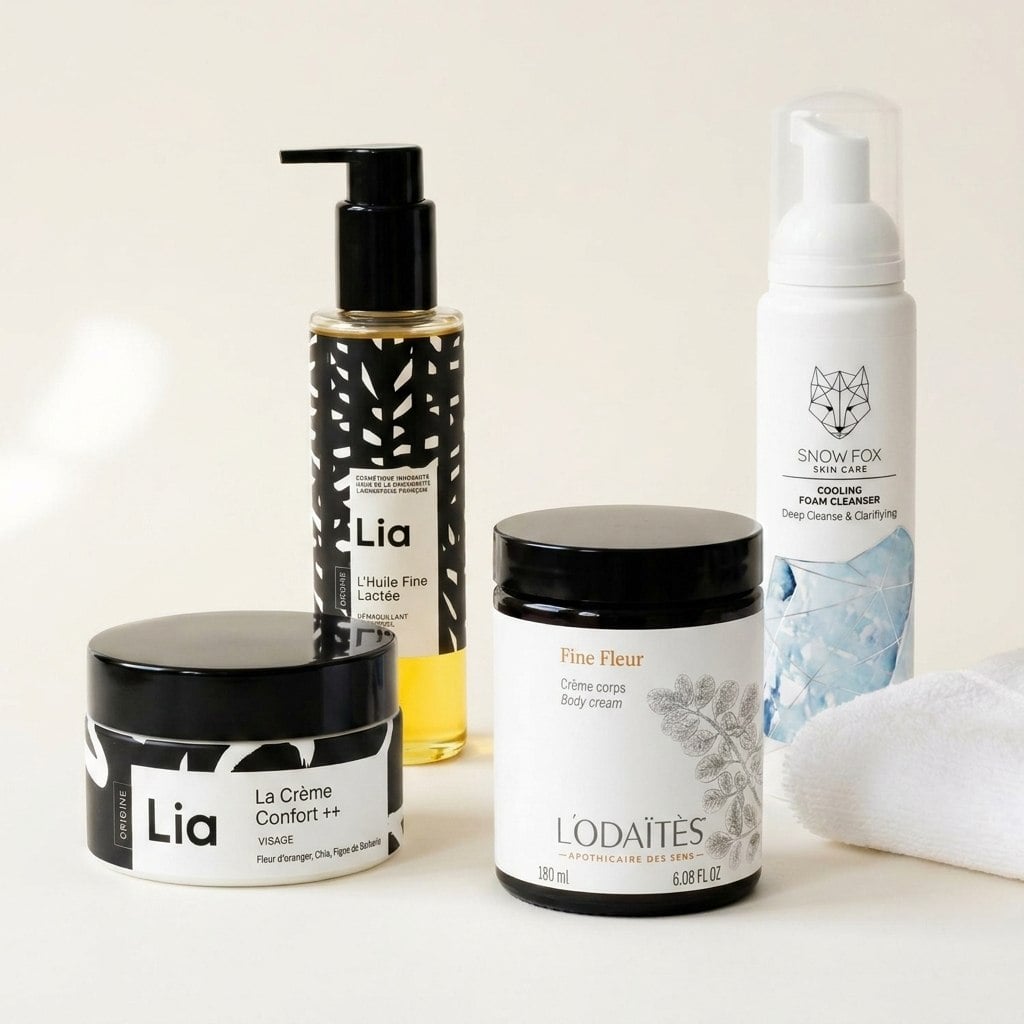
The first is your cleansing routine. Double cleansing at night — an oil cleanser first to remove makeup, sunscreen and excess sebum, followed by a water-based cleanser — is one of the most beneficial habits you can build for your skin. It’s also one of the more affordable swaps.
The second is your moisturiser. People layer a lot of steps — toners, serums — but consistent, effective moisturising morning and evening is an important foundation. Find one that works for you, that you genuinely enjoy using, and ideally one that sits well under SPF in the morning.
Which brings me to the third: your SPF. In the UAE especially, sunscreen is non-negotiable, but not all SPFs are equal. Check the active ingredients. Chemical UV filters like oxybenzone, octinoxate, homosalate, and octocrylene are suspected hormone disruptors. Mineral filters with zinc oxide are the cleaner alternative.
If you’re not sure where to start, that’s exactly what Ô Naturel Boutique is there for — a curated platform where everything has already been vetted so you don’t have to do the research yourself.
To learn more visit the Ô Naturel Boutique