The extinct dodo is closer to a return to Earth following the development of an AI tool that identifies key DNA traits vital to its appearance.
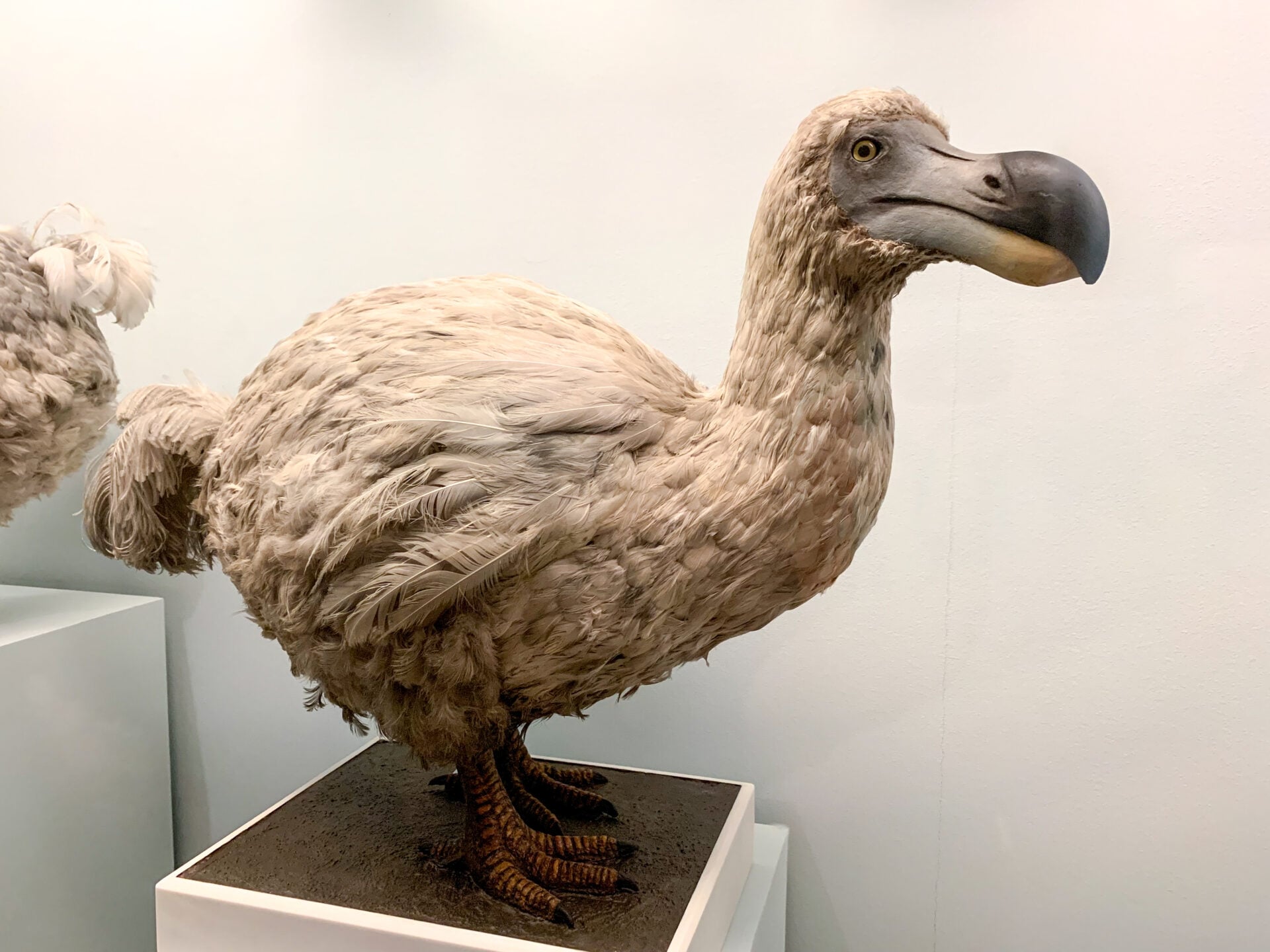
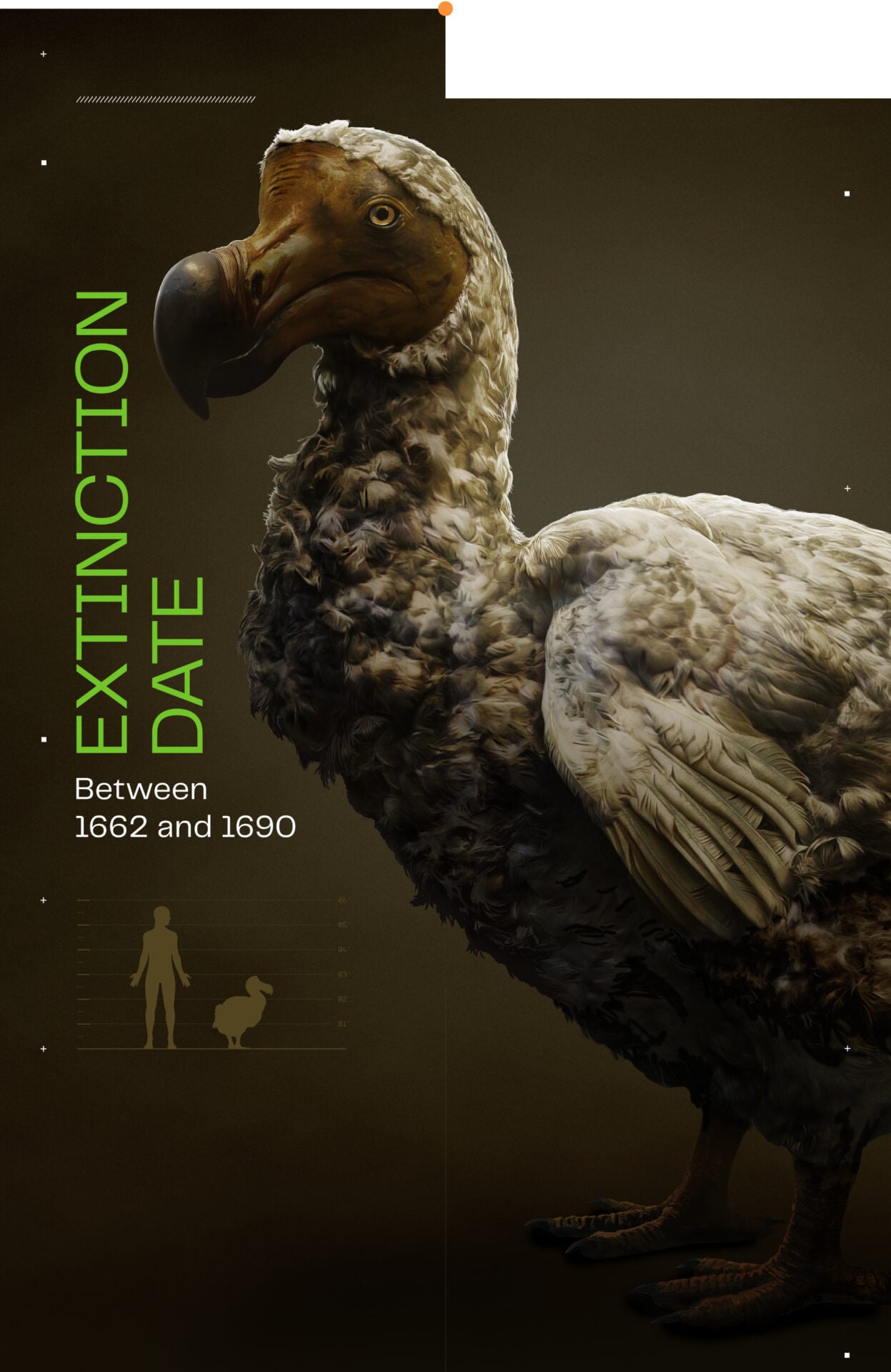
De-extinction firm Colossal Biosciences’ recently developed platform, GenoMorph, pinpoints the genetic code that gives the bird its unique look and has already identified 2,300 targets that shape the bird’s beak and facial structure.
The science team started its work using material found in the skull of a dodo held in a museum in Denmark for its research and has now extended its operations to gather other samples.
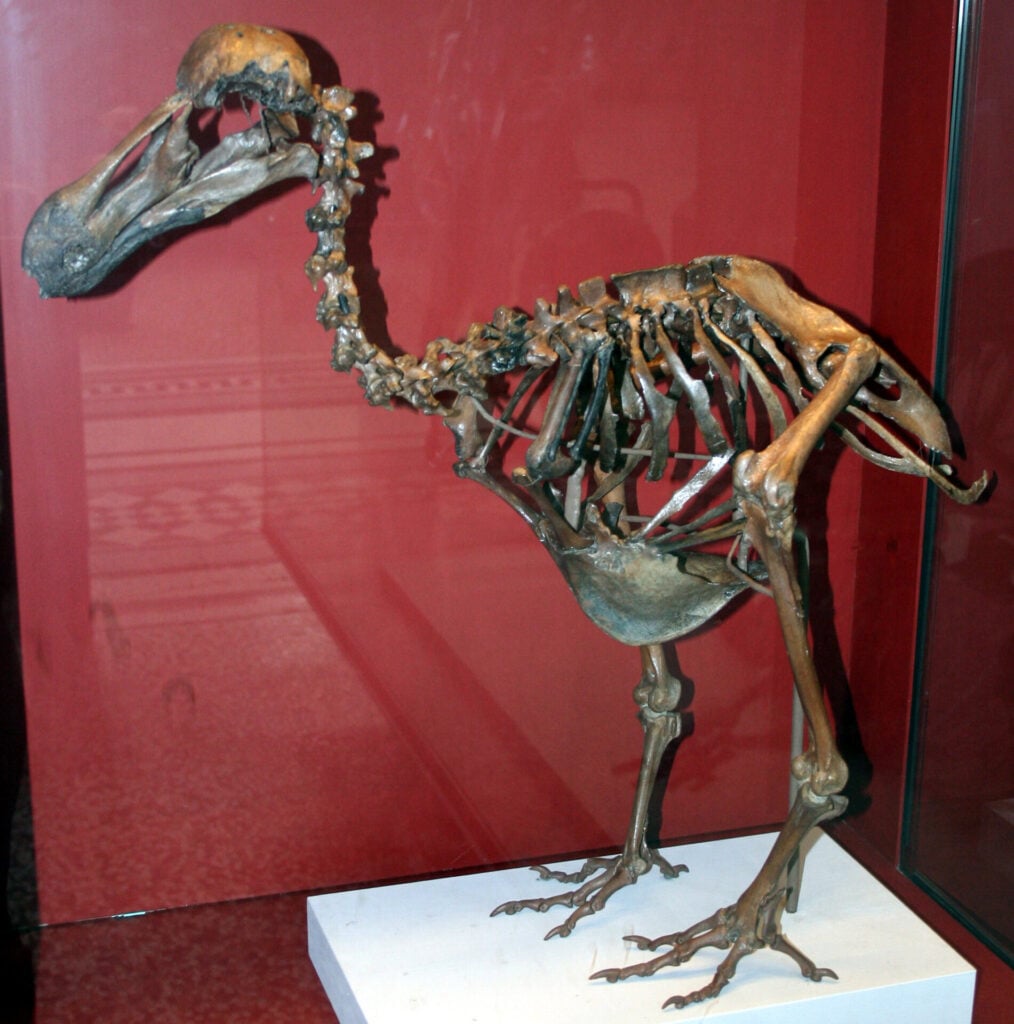
‘It takes the very large data set that we have and then compiles it much shorter so that we have a high degree of confidence in our editing targets,’ explains Ben Lamm, Colossal’s CEO. ‘Then we can say, these are the first 50 edits we can make that we believe will have the biggest impact on true dodo traits, that iconic skull.’
Working with ancient DNA poses major problems according to the teams at the company which has also brought back the direwolf and has plans to resurrect the woolly mammoth.
Lamm said: ‘There’s a limited quantity (of genetic material), it’s highly fragmented and it degrades quickly—particularly rapidly in the dodo’s case, since its native Mauritius is hot and wet.’
Cracking the Dodo’s Genetic Code
GenoMorph provides a funnel to identify the genetic code that is crucial to dodo’s distinctive features.
The model was trained on developmental data from quails, ducks, chickens and pigeons, explained Anna Keyte, who specialises in avian genome engineering at Colossal, and it learned what DNA looks like when creating specific structures to fill in the gaps in species for whom that data is missing.
‘It’s able to look at the genome, and then based on what it’s learned, it predicts: these are the open regions that are active during the time that the beak is forming,’ Keyte said.
‘What we were able to do is use lipid nano-particles that have been used on cells in avian embryos for the first time and get high enough delivery that we could actually knock out a gene and then see a resulting phenotype in the egg, which I think is going to be huge for developmental biology studies in birds.’
How Humans Drove the Dodo to Extinction
The team at Colossal say bringing back the dodo is important as humankind was responsible for its extinction.
Dr Beth Shapiro, company board member and Professor of Ecology and Evolutionary Biology at University of California Santa Cruz (UCSC), said: ‘The dodo is a prime example of a species that became extinct because we – people – made it impossible for them to survive in their native habitat.
‘There has never been more urgency to preserve species than there is today. It’s not just important for their continued existence. It’s for the greater good of the planet. Together, Colossal and the scientific community at large are committed to our efforts to de-extinct those we’ve lost.’
‘Unfortunately, the absence of natural predators meant that the dodo was an easy target for the invasive species that accompanied equally invasive human settlers. Accounts tell of the birds approaching humans without fear because they had never been hunted or preyed upon’
According to reports from explorers, Dutch sailors probably first encountered the dodo on Mauritius in 1598, marking the beginning of the end for the species. It was hunted for food and also eaten by settlers’ domestic animals such as goats and pigs, while invasive species such as rats, ate its eggs and deprived it of food sources.
When analysing the demise of the population Colossal’s research team said: ‘Before their population numbers began a rapid descent to zero, the dodo bird lived a simple life. But these flightless islanders were simple in neither body nor mind, contrary to popular belief. In reality, they were merely unaware of the dangers posed by predatory animals, because for the majority of their existence, dodo birds hadn’t encountered any.
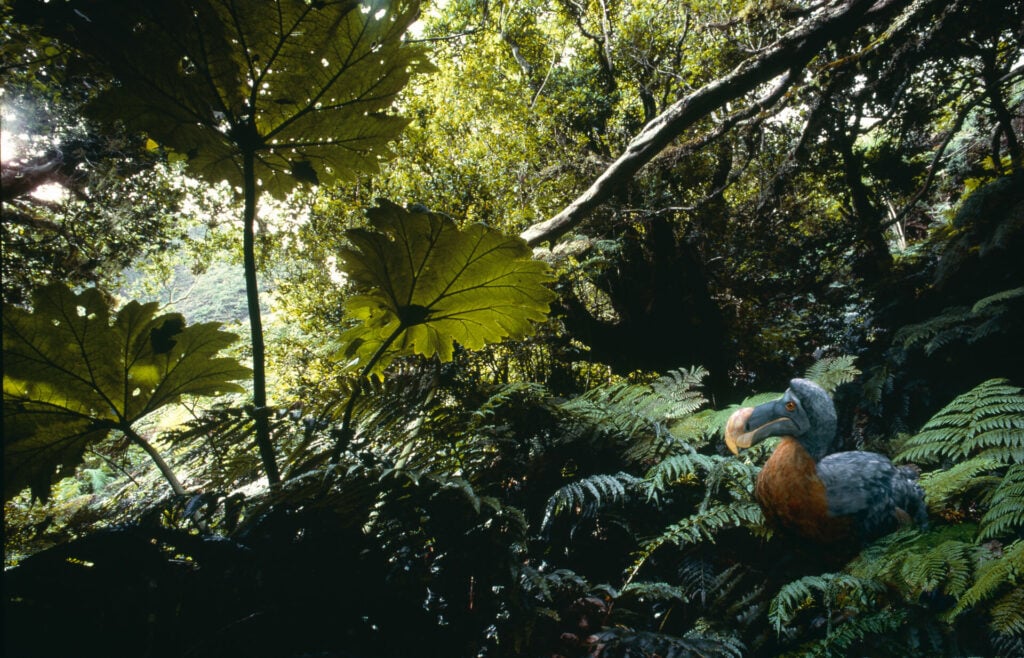
‘Unfortunately, the absence of natural predators meant that the dodo was an easy target for the invasive species that accompanied equally invasive human settlers. Accounts tell of the birds approaching humans without fear because they had never been hunted or preyed upon’
‘Unfortunately, the absence of natural predators meant that the dodo’s resulting temperament, traits and behaviour made it an easy target for the invasive species that accompanied equally-invasive human settlers. Accounts tell of the birds approaching humans without fear, again, because they had never been hunted or preyed upon.’
There are varying accounts of the last official sighting of the bird, but in 2003, analytical biologists David Roberts and Andrew Solow used a formula to place its final date of extinction sometime around 1690.
‘A mysterious bird of similarly mysterious origins, the dodo bird ruled the roost on its native island of Mauritius and nowhere else-until meeting an untimely demise. Because in the late 17th century man brought an abrupt end to the dodo species. Today, Colossal is committed to bringing it back.’
The Colossal team added: ‘With its muted grey feathers and stark white tail plume, the dodo was, in many ways, a minimalist. Nature, having seemingly forgotten to provide the bird an enemy, removed its necessity to fly or seek shelter in the branches of Mauritius’ lofty trees.
‘Still, evolution was biologically complex, its success evidenced by the species’ carefree lifestyle, prior to the arrival of settlers at Mauritius.
‘While circumstance eventually left the dodo vulnerable to extinction, evolution is not to blame for the short sightedness of man.
‘A mysterious bird of similarly mysterious origins, the dodo bird ruled the roost on its native island of Mauritius—and nowhere else-until meeting an untimely demise. Because in the late 17th century. man brought an abrupt end to the dodo species. Today, Colossal is committed to bringing it back.’
As Colossal continues to focus on conservation alongside de-extinction, Lamm said reviving the dodo is a major aim for the company.
‘I don’t know how we could authentically be a de-extinction and species preservation company if we didn’t work on the dodo,’ he said. ‘What kind of terrible people would we be if we didn’t bring back the symbol of human-caused extinction?’