
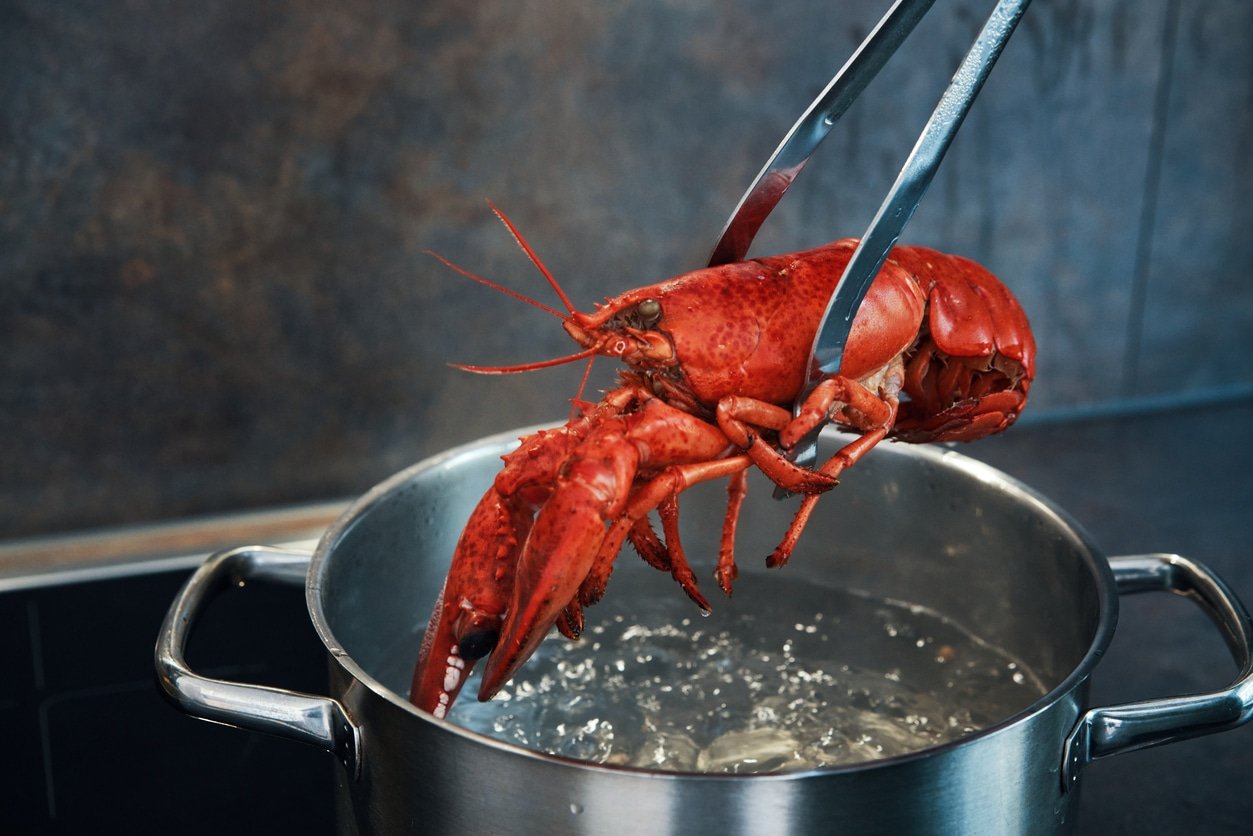
The moment a lobster is lowered into boiling water has long been treated as routine in kitchens around the world. But new scientific evidence is forcing a rethink.
Researchers in Sweden now say that crustaceans – including Norway lobsters, the main ingredient in scampi – experience pain in ways strikingly similar to those of mammals, raising urgent ethical questions about one of the food industry’s most entrenched practices.
University of Gothenburg research found that painkillers such as aspirin reduce crustaceans’ reactions to harmful electric shocks, indicating that they feel pain when injured rather than simply responding to reflexes.
Boiling the animals alive is already illegal in Norway, New Zealand, Austria and several Australian states.
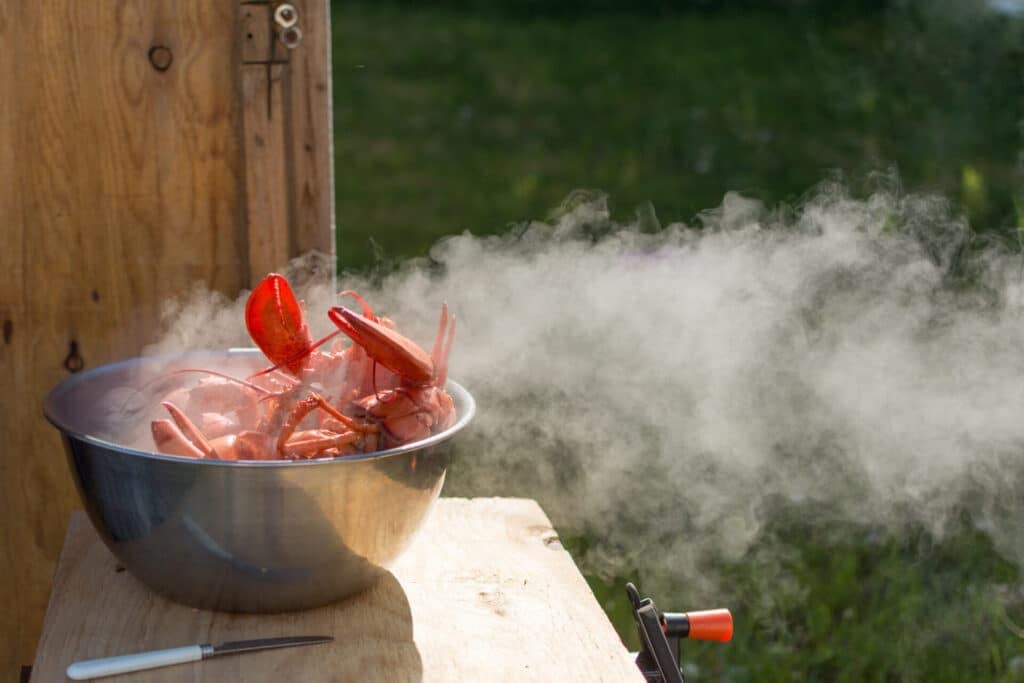
Co–author Professor Lynne Sneddon, an animal behaviour expert from the University of Gothenburg, told the Daily Mail: ‘Based on scientific evidence, it is not humane to boil crustaceans alive and so I support the concept of banning live boiling.
‘We should always seek to end the life of animals humanely, and we would never accept boiling a cow or chicken alive, so it is time to rethink the way we treat these animals.’
Professor Lynne Sneddon,
‘We should always seek to end the life of animals humanely, and we would never accept boiling a cow or chicken alive, so it is time to rethink the way we treat these animals.’
Testing the Limits of Pain in Lobsters
Lobsters and other crustaceans are known to respond to potentially harmful stimuli in their environment.
As cold-blooded animals, unable to regulate their internal temperature, they tend to avoid extreme heat, actively moving away from hot water where possible.
Scientists differentiate between two types of responses to harm: pain, which involves an emotional experience of distress, and nociception, a more basic reflex that triggers a physical reaction to injury.
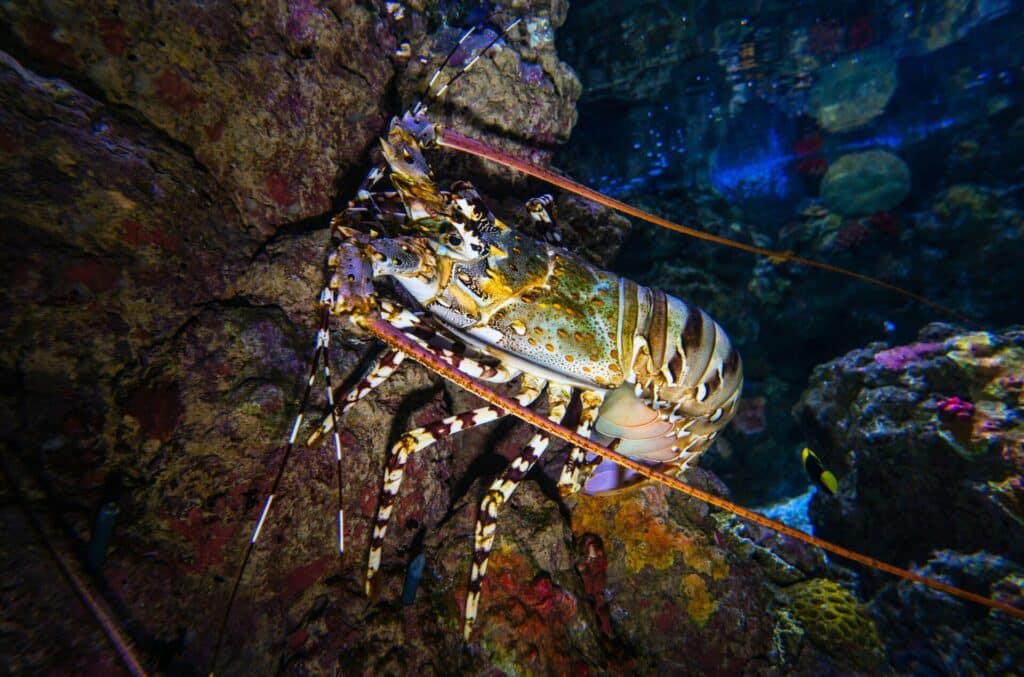
In their recent study, Professor Sneddon and her co-authors tried to answer this question by examining how Norway lobsters change their behaviour while on painkillers.
When exposed to electric shocks that would be considered painful for humans, the lobsters reacted by rapidly flicking their tails in an attempt to escape. However, when given pain relief, either through aspirin injections or lidocaine introduced into the water, the escape response disappeared.
This suggests that lobsters have systems for feeling pain that are closer to our own than previously thought.
Lead author Eleftherios Kasiouras, a PhD student at the University of Gothenburg, said: ‘Responding to painkillers during potentially painful procedures means that what they experience is more than just simple reflexes.
‘Evidence supports that decapod crustaceans experience pain, and if you consider that they are considered sentient in the UK, boiling alive should be banned.’
In December last year, the Labour Party outlined plans within its animal welfare strategy to prohibit the boiling of crustaceans alive, whether at home or in professional kitchens.
This follows the Animal Welfare (Sentience) Act 2022, which recognised crustaceans as sentient animals capable of experiencing pain and suffering.
More humane alternatives are already advised, including methods such as splitting or spiking, which involve destroying the animal’s central nervous system before cooking.