
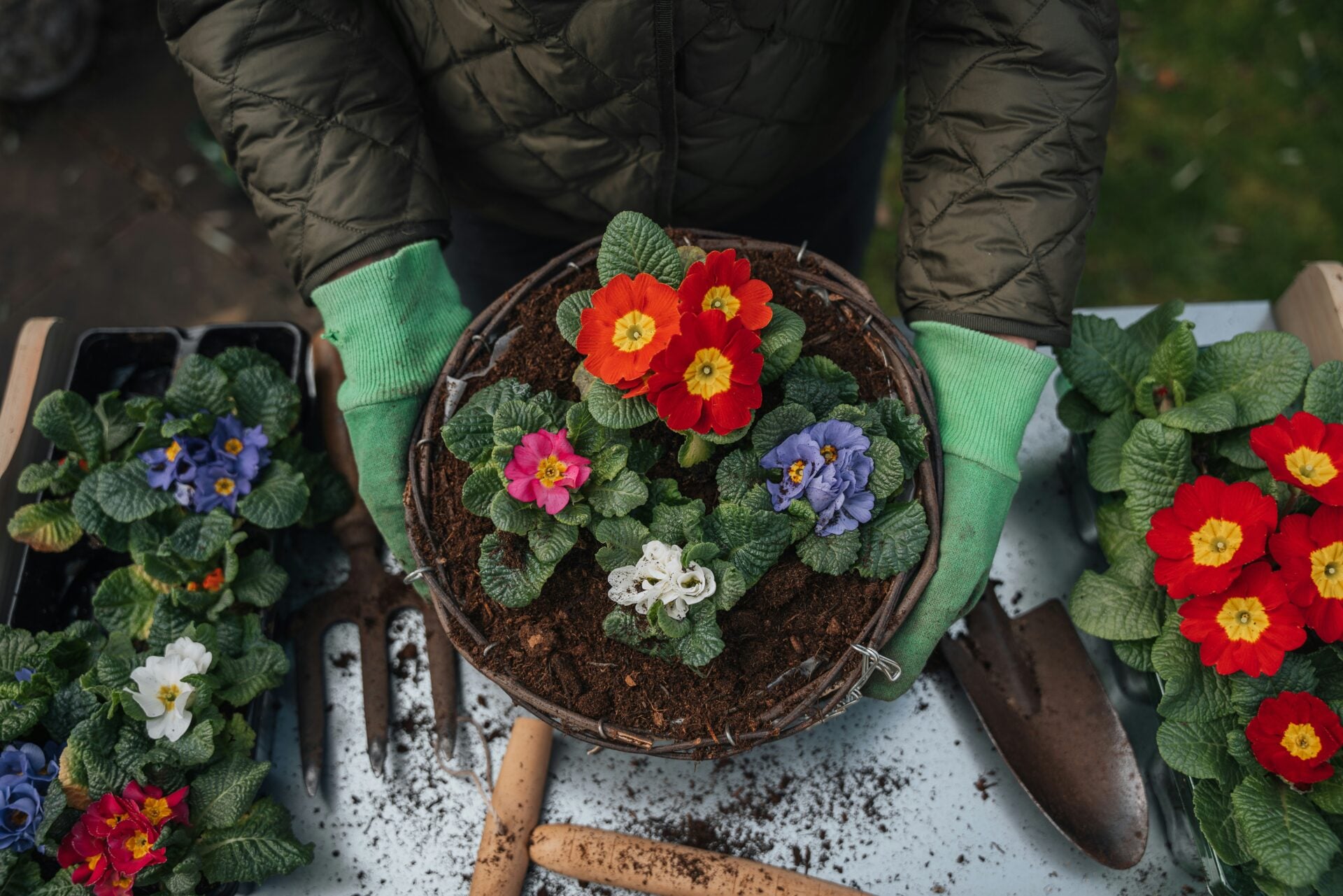
It may seem like gardening is a pretty green activity. Our gardens are a hub for wildlife and pollinators after all, a place where we can harvest homegrown veggies, and garden trees can help sequester carbon dioxide. However, many of our garden activities actually have a big environmental impact. Things like watering, feeding, mowing, sourcing plants, dealing with ‘pests’ and the landscaping you choose can all have a positive or negative environmental impact.
Here’s how to create a truly sustainable garden, even in the smallest spot or with hot, dry weather to contend with.
Make your own compost
Turn all your garden’s green waste into compost to help nourish your soil and plants. This helps reduce the need for shop-bought compost, as well as reducing the emissions linked to taking your waste away. If you have especially dry or heavy soil, incorporating homemade compost can also help retain more water and nutrients.
However big your space, the key to good compost is an even balance of green material (plant waste, veggie scraps, grass cuttings) and brown material (dry leaves, cardboard, newspaper). Ensure you turn your heap regularly using a fork, keep it warm with a cover, and water to create a moist but not soggy environment. If you lack space, consider a small compost bin or countertop composter, such as the Bokashi bin.
Water wisely
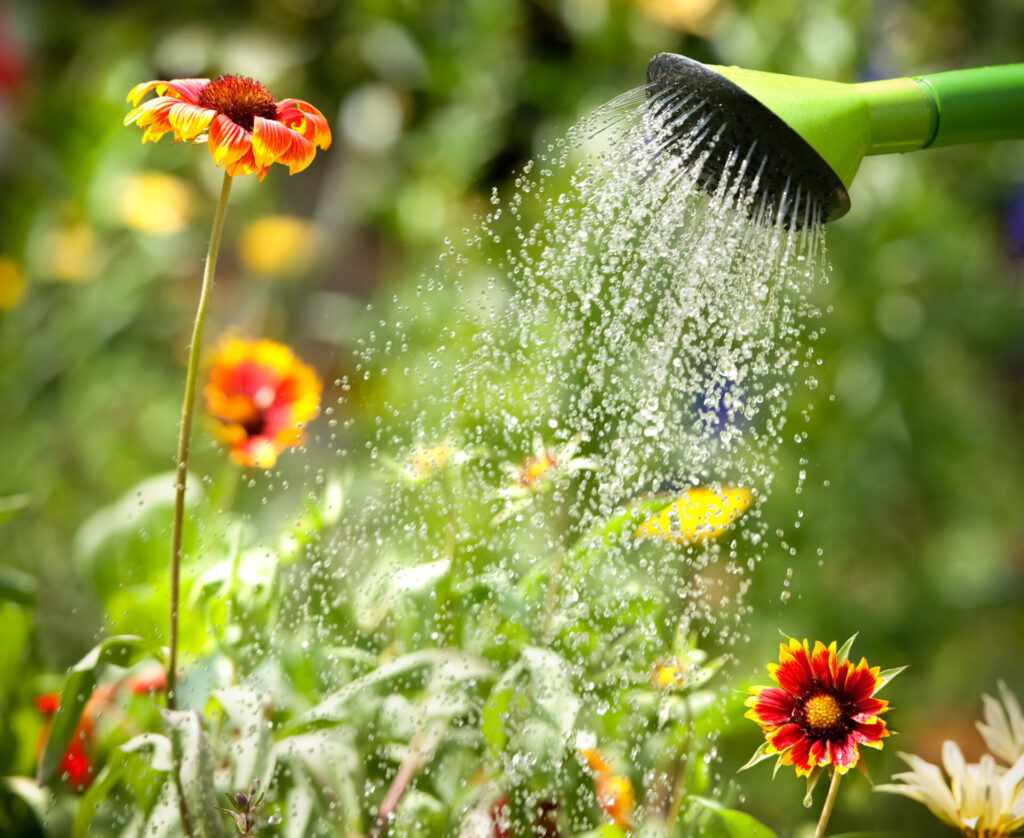
To make the most of your water in a sustainable garden, only water plants late in the evening or very early in the morning. Avoid spraying over your plants, but water directly onto the soil at the base of the plant to reduce waste. There’s no need to water every day and plants will actually be healthier with a really good soak every few days. Sandy soils are fast-draining so try mulching around the crown of plants with woodchips or shingle to help retain water and also supress weeds.
Wherever you can, recycle your water. Water butts are a good option if you live in a rainy climate, but you could also use grey water from your home. Use a washing up bowl to collect waste water from your kitchen, and a small bucket carefully placed in your shower to collect used water. These can be poured as and when needed onto your garden and plant pots.
Choose drought-resistant plants
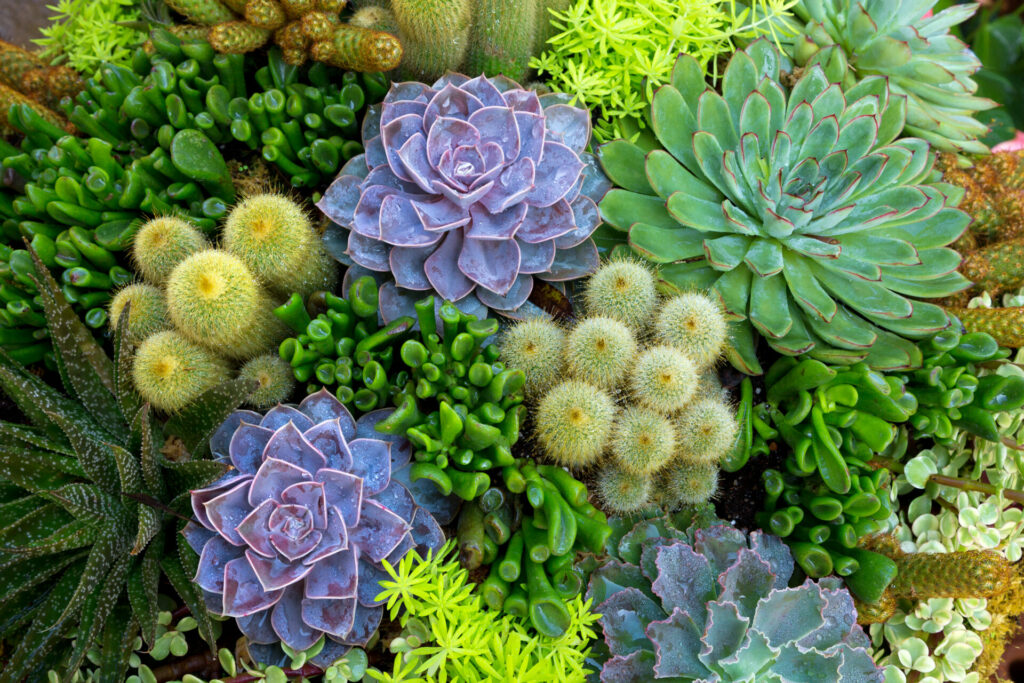
Follow the rule of ‘right plant, right place’ when creating a sustainable garden. If you have a shady, dry or sunny garden, choose plants that thrive in those conditions. A happy plant in the ideal spot means you won’t need to water or feed as often or replace a struggling plant. This is all the more true when it comes to hot climates. Choosing drought-resistant plants means you will need to water less, and the plants won’t suffer during hot spells. These include lavender, rosemary, aloes, tropical hibiscus or pulmeria. For a hot, dry garden, consider creating a rockery which mimics these plants’ natural environment.
Natural solutions to garden ‘pests’
We’ve long thought of things like slugs and aphids as pests in our gardens. However, research now shows we need to learn to welcome these into a sustainable garden and recognise the important role they play in maintaining a healthy ecosystem. Try to accept a little damage to plants and think of it as sharing with wildlife.
Rather than reaching for pesticides and chemicals, let nature manage the natural balance in your garden. For example, ladybirds and their larvae will feast on aphids, birds will eat slugs and snails, and lacewings consume aphids and other small insect ‘pests’. Try to encourage more wildlife into your garden and protect any especially vulnerable crops with barriers like Enviromesh, or simple netting to something more permanent, like installing a welded wire fence around a raised bed or vegetable patch, which keeps out rabbits and larger animals without disrupting the surrounding ecosystem. If the slugs still persist, collect them when they are most active at dusk and relocate them to a field or park.
Plant for pollinators
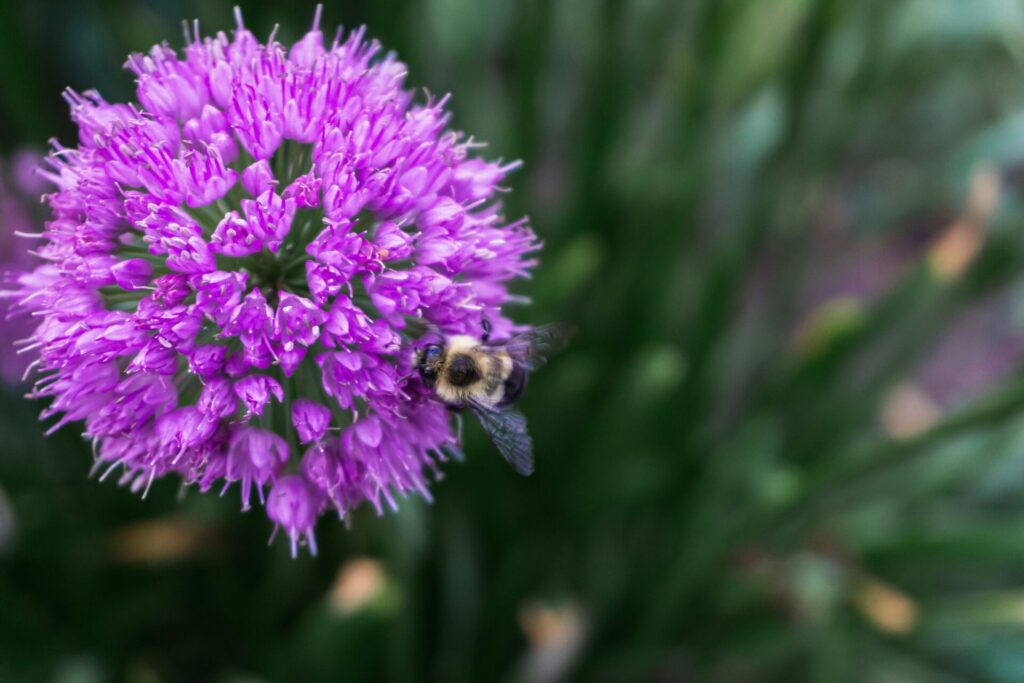
A truly sustainable garden should support more than just your plants; it should support wildlife, too. Bees, butterflies and other pollinators play a vital role in maintaining healthy ecosystems and food production, yet many species are declining due to habitat loss, pesticides and climate change. Simple additions like lavender, foxgloves, salvia, cosmos, jasmine and wildflowers can help provide food and shelter for pollinators throughout the year. Try choosing a variety of plants that flower across different seasons so insects always have something to feed on.
Care for your soil
Healthy soil is the foundation of a sustainable garden. Strong, nutrient-rich earth helps plants become more resilient to disease while producing healthier crops and flowers, reducing the need for herbicides, fungicides and pesticides in the first place. Feed your soil with good-quality organic matter, such as garden compost or mushroom compost. This is especially helpful if you have poor, sandy soil or like to grow in pots. Sandy soil is usually low in nutrients and drains quickly. Adding compost helps give your plants a boost, retains water and makes the earth easier to dig and maintain.
Create a home for wildlife and wildflowers
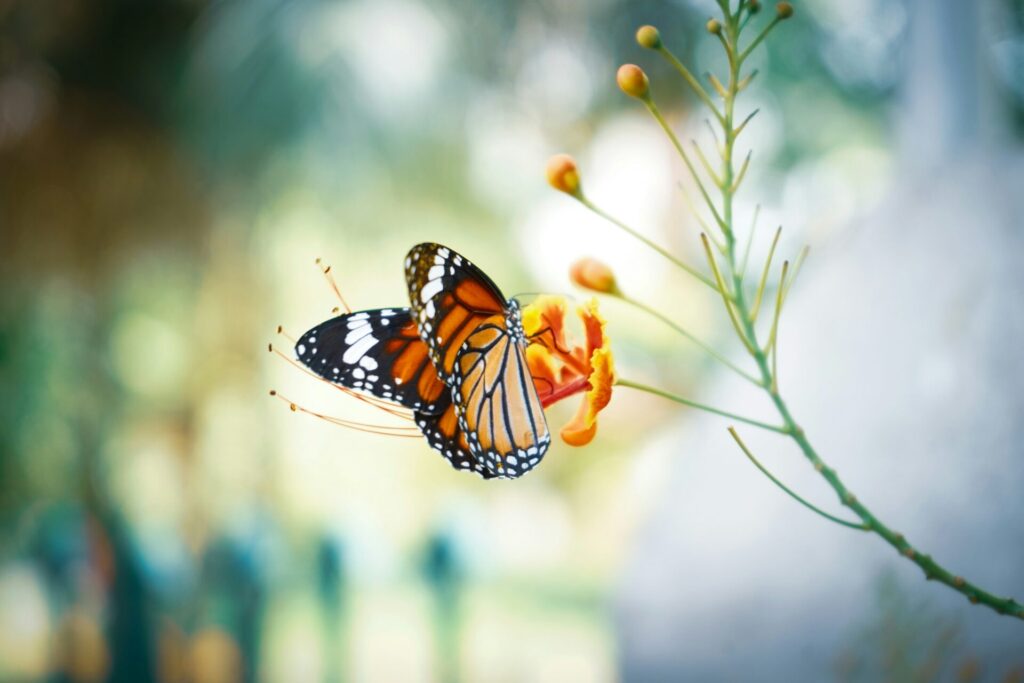
Encouraging wildlife into your garden is not just a joy to see but also helps maintain natural balances. Many of our instincts as gardeners can disturb this, so try to avoid the temptation to keep all areas perfectly tidy. Leaving an area of lawn unmown can reward you with wildflowers and a habitat for wildlife. When plants are dormant, leave dead plant matter such as seed heads and old leaves, rather than clearing flower beds. These offer food and habitat for wildlife and will break down naturally. Could you also add some wildlife homes to your sustainable garden, such as a pond, bird table, bug hotel or solitary bee house?
Look for peat and plastic-free
Peat might seem harmless in a bag of compost, but peat bogs are actually one of the world’s most important natural carbon stores and play a vital role in supporting wildlife. Harvesting peat for gardening releases stored carbon into the atmosphere and damages fragile ecosystems, which is why many gardeners are now switching to peat-free compost instead. Most garden centres clearly label peat-free products, and many now also offer refill stations for compost, seeds and fertilisers to help reduce plastic waste.
And while it’s tempting to keep buying new plants, one of the most sustainable garden habits is simply growing more of your own. Reusing plastic nursery pots, taking cuttings from friends and propagating plants yourself is not only lower impact, but surprisingly addictive once you start.
Plant a tree
A tree can absorb more than a ton of carbon dioxide over its lifetime, as well as providing a habitat and food for wildlife. There’s a tree to fit every garden, and varieties such as apple, cherry, hawthorn or rowan all provide beautiful flowers and fruits. In hot, sandy gardens, choose a date palm, flame tree, citrus tree or banana tree. If you lack space, consider planting a small shrub in your sustainable garden. Some trees can also thrive in a large pot, such as citrus, olive or fig trees – perfect for a balcony or patio.
*This article was updated in 2026 from an original version published in 2022.