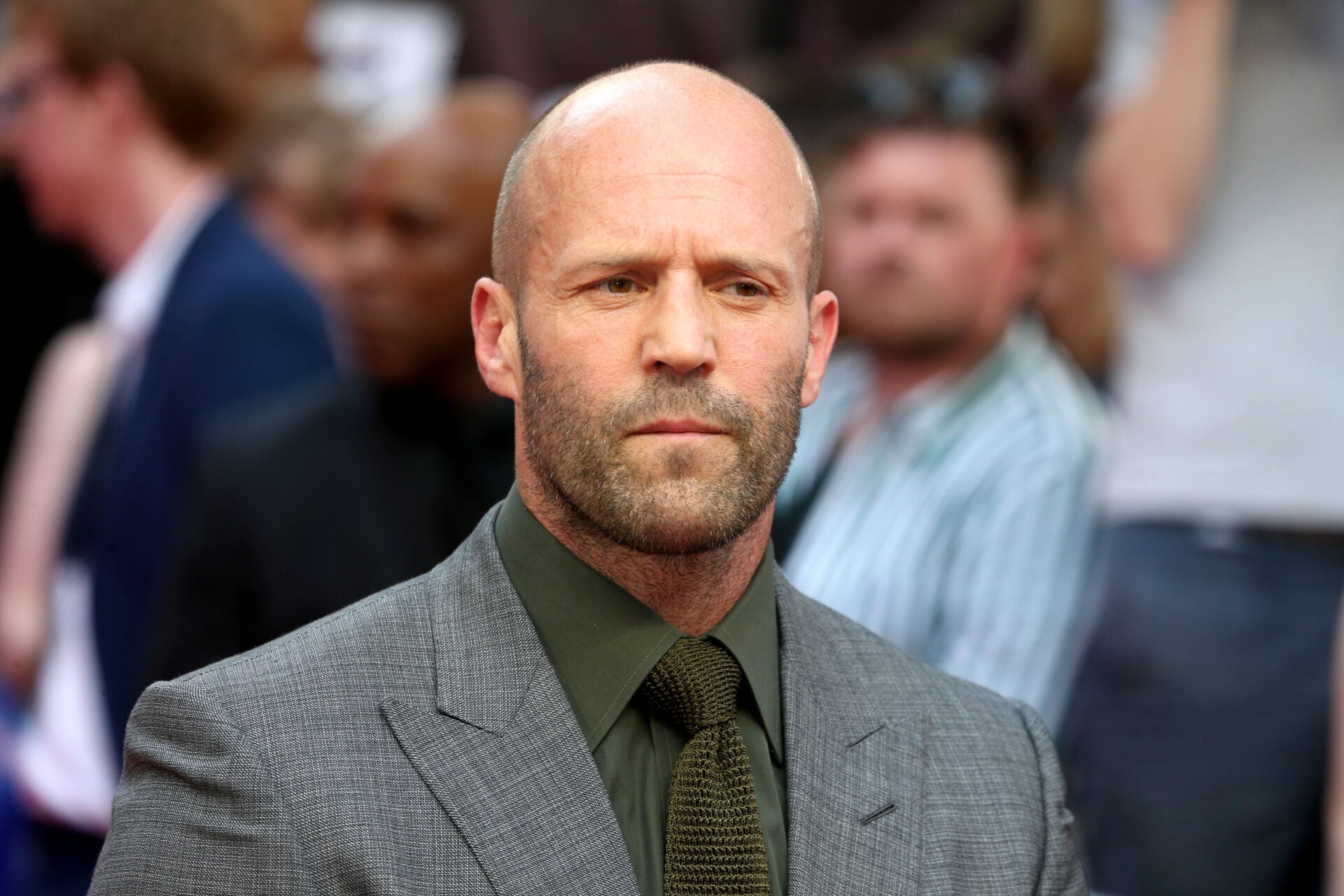
Hollywood hardman Jason Statham, famous for battling screen villains in movies such as The Expendables, may have met an opponent he cannot vanquish – the great crested newt.
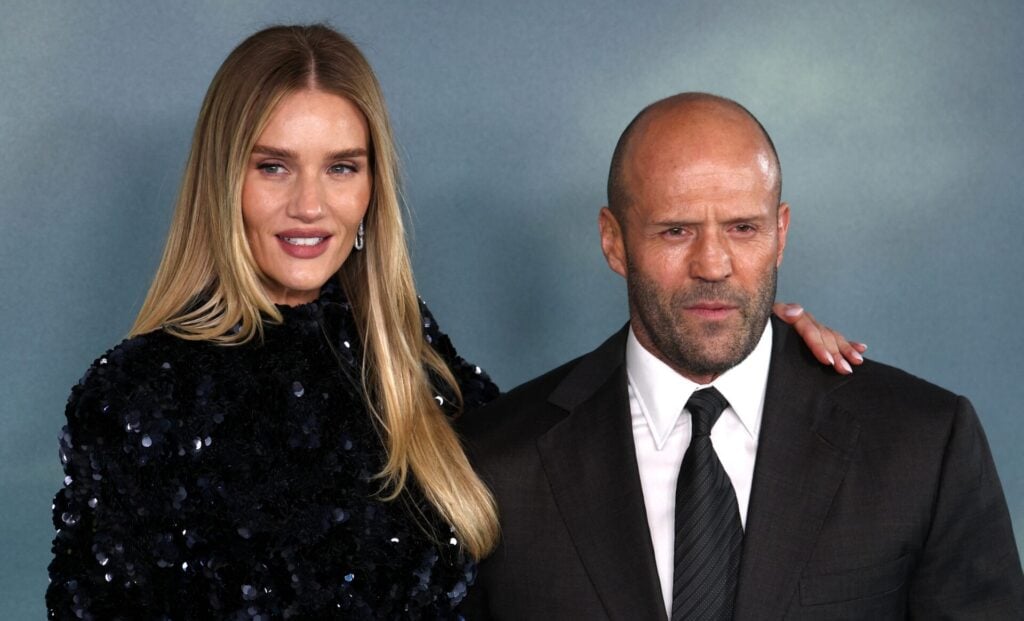
Jason Statham, and his partner, supermodel Rosie Huntington-Whiteley, are locked in a planning battle over the redevelopment of their UK home in the New Forest after ecologists raised concerns about the impact of proposed works on the protected species, which spends most of its time on land but enters the water to breed in spring.

The couple bought the six-bedroom property in 2024 for AED80m and have started redeveloping, land which includes a tree house, boating lake, swimming pool and private stretch of beach.
However, their latest plans to add a new driveway and remove part of the existing lake to create a wildflower meadow have been met with opposition from environmental group NatureSpace Partnership.
The organisation aims to create high-quality habitats for newts, restore clean water to the countryside and deliver gains for wider nature.
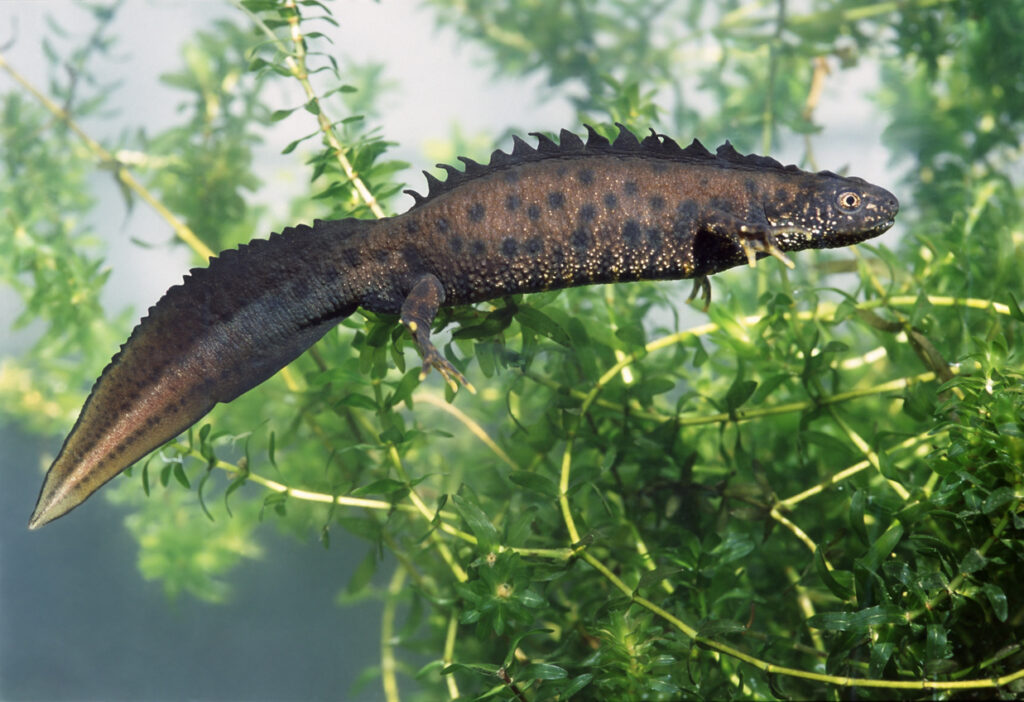
Members lodged an objection to the proposals after claiming the development fell ‘within the red impact risk zone for the amphibians, meaning there was a ‘high likelihood’ of a habitat in the area.
Sarah Garratt, at NatureSpace, said the holding objection would not necessarily halt plans but that it was necessary to ensure the local planning authority had the full picture before any work began.
She said: ‘Newts have declined an awful lot in the last 50 to 60 years. They are widespread but they’re really suffering – populations have declined considerably.
‘If the work is having an impact then it needs to be clear how it will be dealt with.’
Great crested newts are native to the UK and are protected under the Conservation of Habitats and Species Regulations 2017, meaning it is illegal to disturb or destroy breeding sites and resting places, with local planning authorities under a statutory duty to assess whether applications could interfere with their habitats.
If found on a development site, they can delay projects by forcing work and layouts to be modified to protect their habitats.