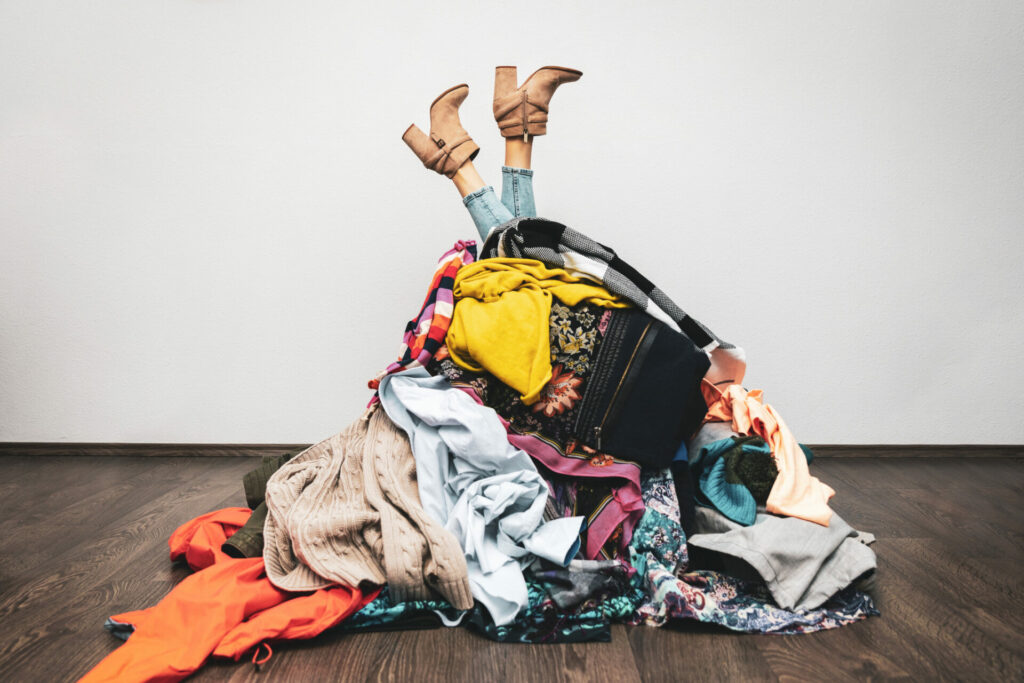
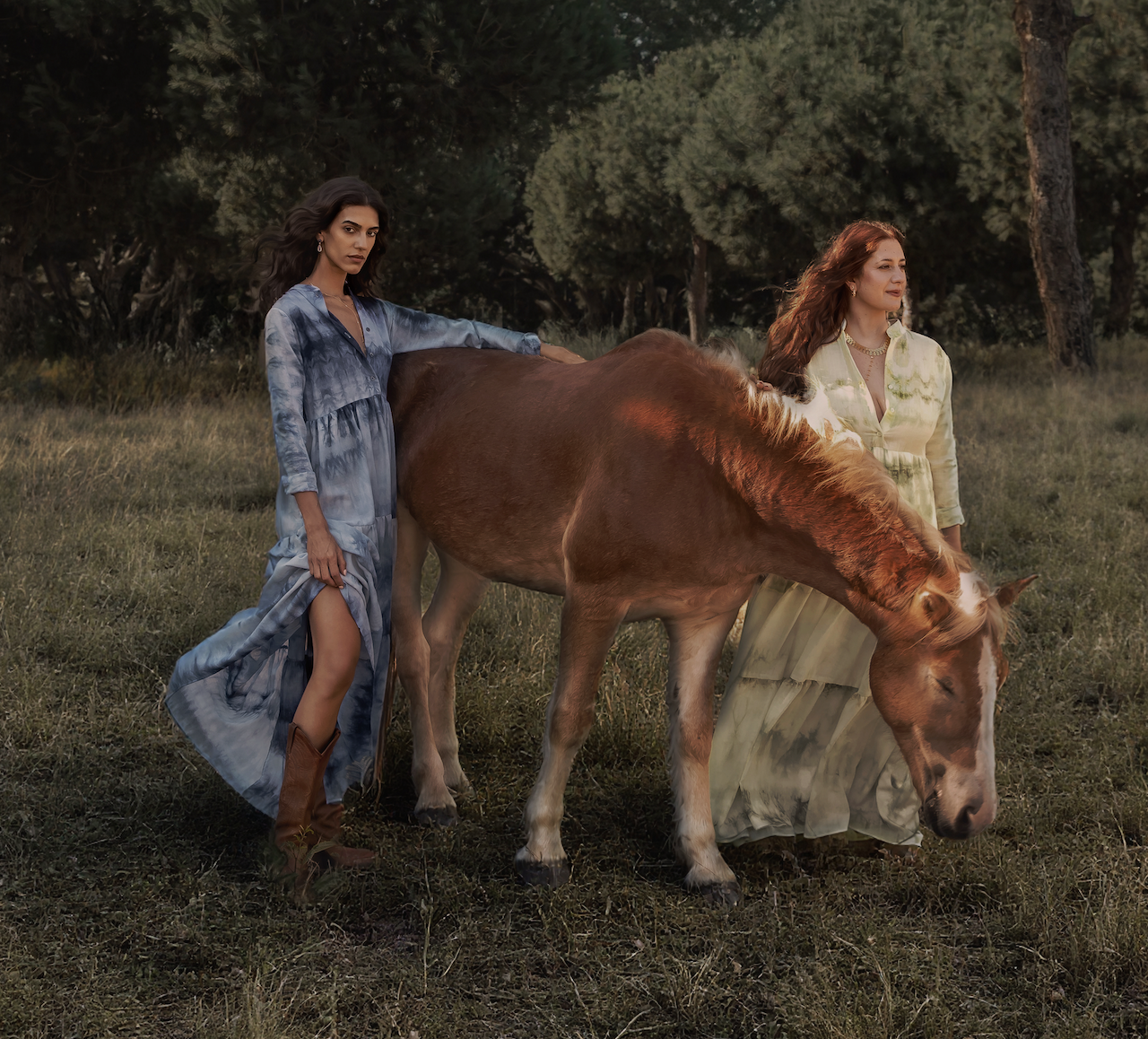
KAĪYA is a Beirut-based fashion label built on the idea that not everything new needs to be made from scratch. Each collection begins with luxury deadstock – fabrics that already exist and are often sent to landfill – reworked into garments that give them a second life.
Founded in 2024 by activist Lana El Khalil during a period of instability in Lebanon, the brand takes a slower approach to fashion. Rather than chasing scale, it works directly with artisans, including refugees and indigenous communities, to create steady incomes through craftsmanship.
‘KAĪYA is not just something you wear,’ says Lana. ‘It’s something you feel. A connection to the hands that made it, to the land it came from, and to your own body.’
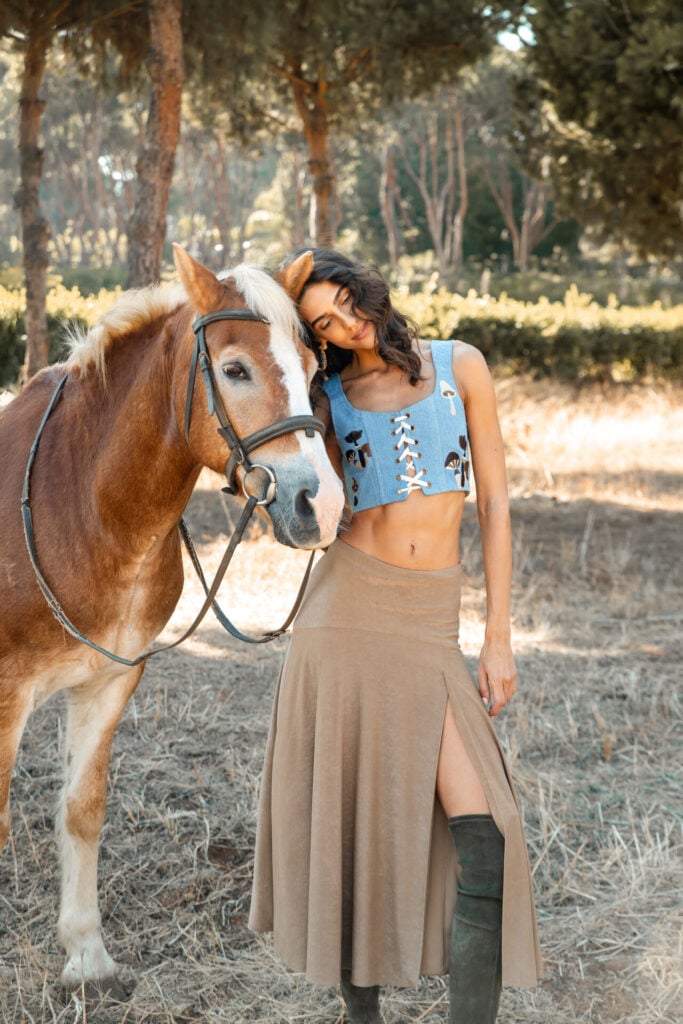
Rather than following the relentless pace of the traditional fashion calendar, KAĪYA produces in smaller quantities and takes a more considered approach. They also work closely with artisan communities across several regions. In Beirut, women in Palestinian refugee camps contribute detailed embroidery, helping to preserve traditional skills while earning an income.
The brand also partners with textile artisans in India and Nigeria, drawing on long-established techniques in weaving, printing and dyeing. These collaborations play a key role in transforming deadstock materials into finished pieces.
‘For many, a stitch is just a way to hold fabric together,’ explains Lana. ‘But for an artisan, that stitch can represent generations of knowledge. It’s a technique passed down from grandmother to mother, from mother to daughter; an unbroken chain of indigenous craft and cultural heritage.’
‘We are not just selling a product; we are inviting our community to participate in a structural shift. When you wear KAĪYA, you carry the story of a woman who has rebuilt her life through her craft.’
Deadstock fabrics are sourced from local markets and traditional textile hubs, chosen for how they look as well as where they come from, and given a second chance rather than feeding into the industry’s habit of overproduction.
And it’s what happens after the garment is made that sets the brand apart. Fabric offcuts that can’t be reused in new designs aren’t discarded. Instead, they’re turned into sewing tools used in refugee camps, where children are introduced to basic textile skills.
‘We are not just selling a product; we are inviting our community to participate in a structural shift,’ Lana explains. ‘When you wear KAĪYA, you carry the story of a woman who has rebuilt her life through her craft.’

KAĪYA’s work also goes beyond fashion. A limited-edition hoodie collection channels 100 per cent of profits to Animals Lebanon, supporting rescue efforts in conflict-affected areas.
Of course, the challenge for any brand in this space is proving that intention translates into real impact. As sustainability becomes more of a marketing tool, the gap between what’s said and what’s done is under greater scrutiny than ever. KAĪYA is part of a growing group trying to close that gap by rethinking how fashion can work in practice.