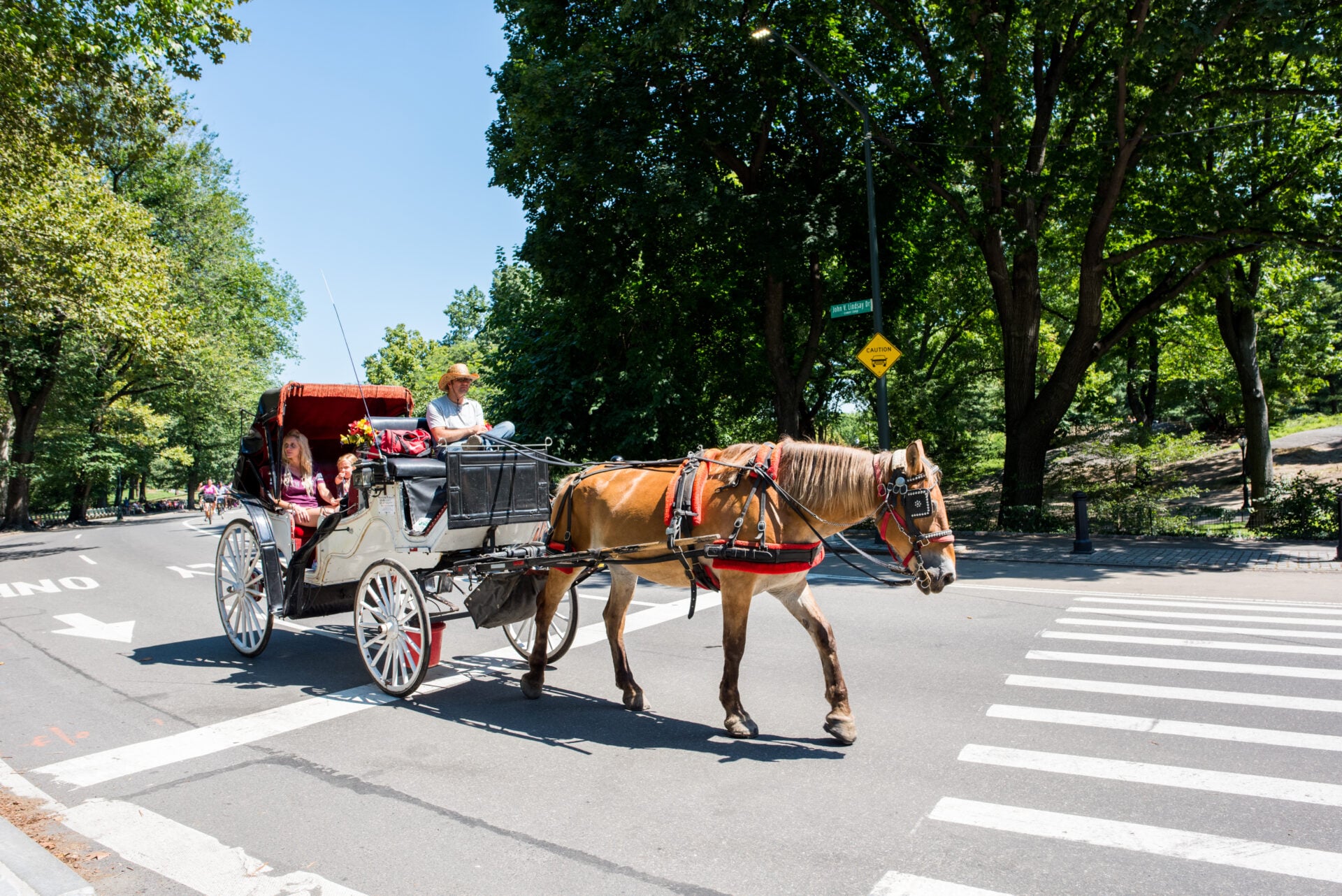
New York City has passed a landmark law banning horse-drawn carriage rides, bringing an end to a 150-year tradition that has long divided animal welfare campaigners, tourists and carriage drivers.
Mayor Zohran Mamdani signed the legislation on Thursday, November 19, confirming that horse-drawn carriages must cease operating on city streets by June 1, 2028.
The decision follows nearly two decades of campaigning by animal rights organisations, which have repeatedly raised concerns about the welfare of horses working in one of the world’s busiest cities.
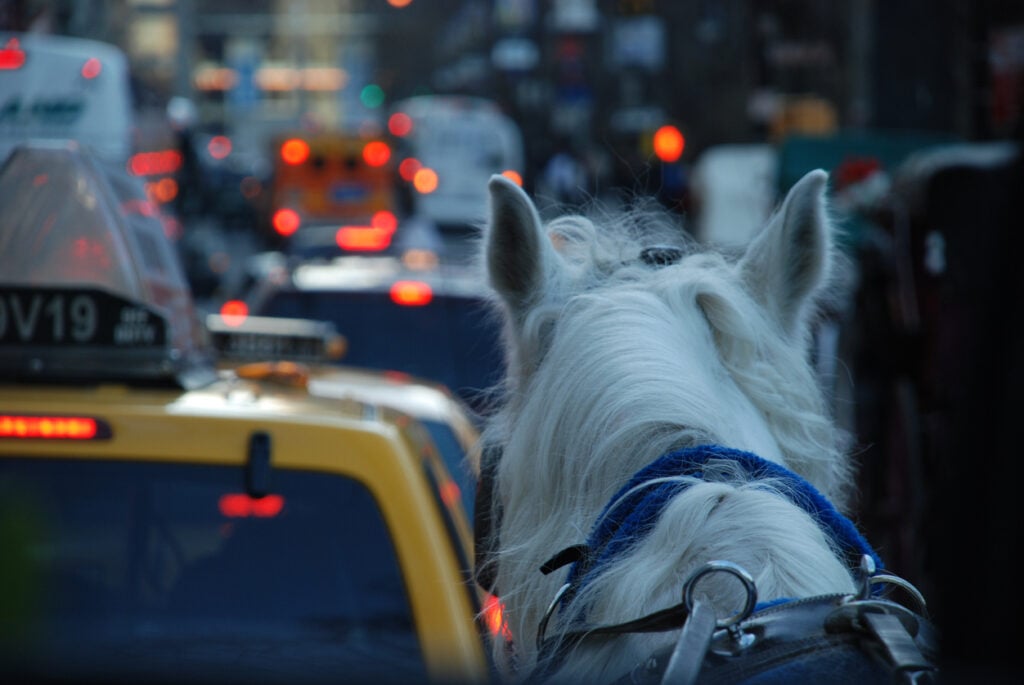
Known as Romanch’s Law, the legislation is named in memory of 18-year-old Indian tourist Romanch Mahajan, who died in June after a horse pulling his carriage became startled and bolted in Central Park.
The tragedy reignited calls for an outright ban, with campaigners arguing that horse-drawn carriages pose unacceptable risks to both animals and passengers.
‘For 150 years, horse-drawn carriages have been a fixture of Central Park. Today, we are bringing that chapter to a close,’ Mamdani said.
‘This industry will come to an end, and we have a responsibility to the workers whose livelihoods depend on it.’
Years of animal welfare concerns
Horse-drawn carriages have been part of New York’s streetscape since the 19th century, becoming one of Central Park’s most recognisable tourist attractions.
However, the industry has faced mounting criticism over the conditions in which carriage horses work, particularly during periods of extreme heat, heavy traffic and crowded pedestrian activity.
Animal welfare campaigners have questioned whether horses should be required to pull passengers through an increasingly congested urban environment, where loud noises, vehicles and other unexpected disturbances can cause animals to panic.
Over the years, several high-profile incidents involving horses collapsing or bolting have intensified scrutiny of the industry.

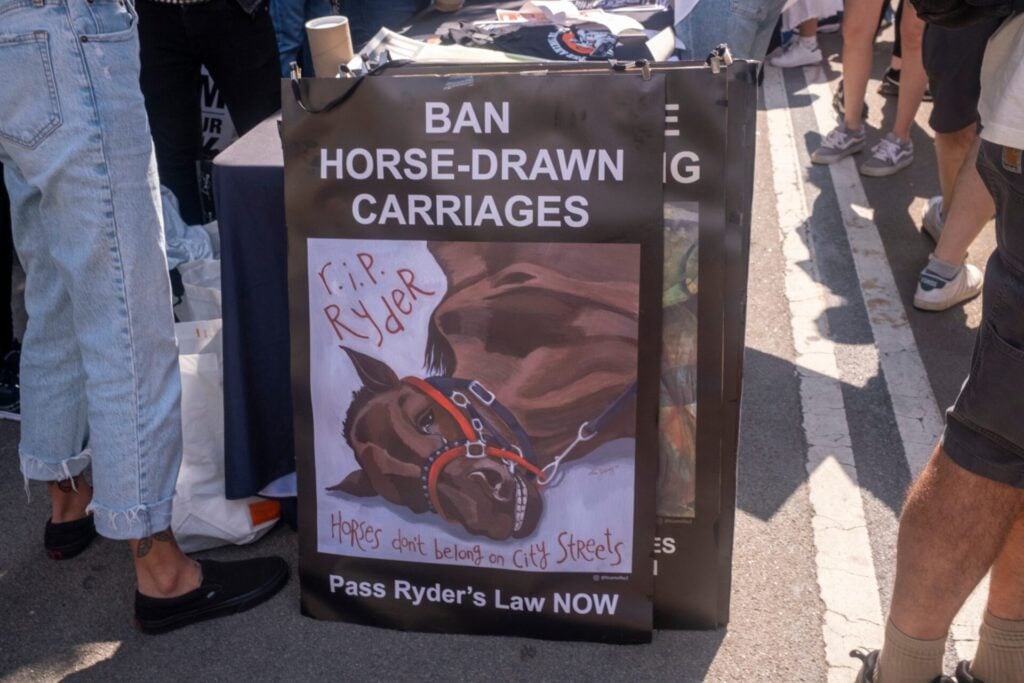
In 2022, a carriage horse named Ryder collapsed on a Manhattan street, prompting widespread outrage after footage of the incident circulated online. The horse later died, becoming a powerful symbol for campaigners calling for the practice to end.
Although New York introduced regulations covering veterinary examinations, working conditions, rest periods and retirement ages, critics maintained that these measures did not adequately address the risks associated with operating horse-drawn carriages in a busy modern city.
Supporters of the industry, meanwhile, have argued that carriage horses receive regular veterinary care and that responsible operators provide appropriate working conditions.
The tragedy that changed everything
The campaign gained renewed momentum following the death of Romanch Mahajan on June 17, 2026. The teenager was visiting Central Park with his family when the horse pulling their carriage became startled and ran off. The carriage overturned, resulting in fatal injuries.
His death prompted fresh questions about passenger safety and whether horse-drawn rides should continue in the park.
New York City Council subsequently approved legislation to phase out the industry, with Mayor Mamdani signing the bill into law the following month.
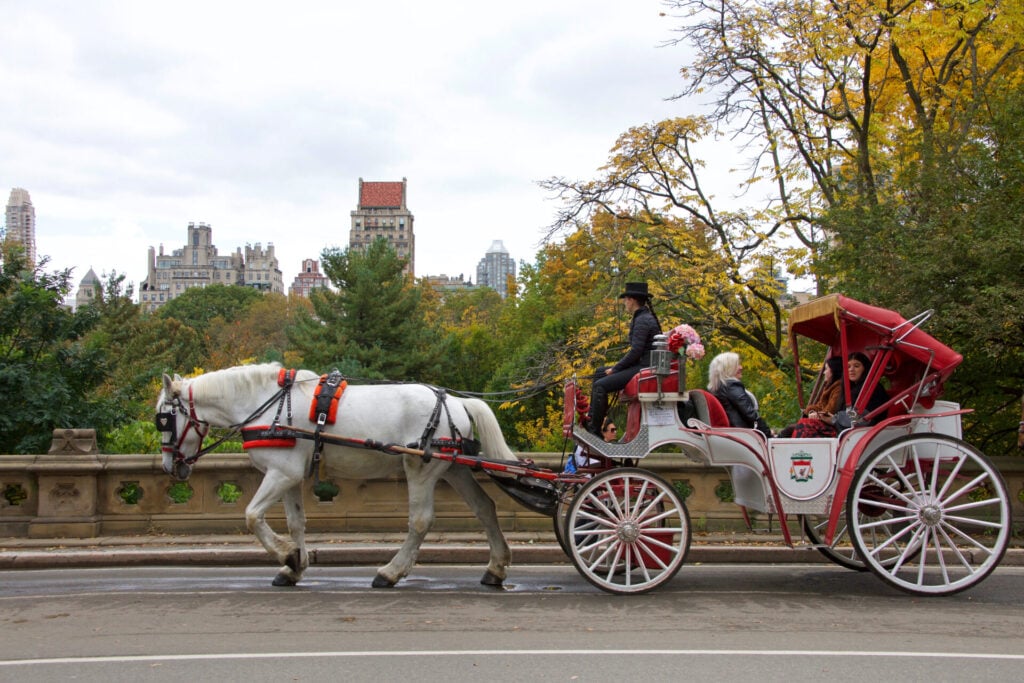
Council Member Christopher Marte, who sponsored the legislation, said the measure represented the culmination of years of campaigning.
‘For nearly two decades, New Yorkers fought to end the horse-drawn carriage industry,’ he said. ‘We cannot bring Romanch Mahajan back, but we can honor his family’s call to prevent another tragedy.’
What happens to the horses?
Under the new legislation, horse-drawn carriage operations must end by June 1, 2028, giving operators 18 months to prepare for the transition.
The city has pledged to monitor the retirement of carriage horses, with animal sanctuaries and rescue organisations preparing to provide homes for animals leaving the industry.
Officials say the aim is to ensure that horses are not simply transferred to similar carriage operations elsewhere or sent for slaughter.
Allie Taylor, director of the Mayor’s Office of Animal Welfare, described the legislation as a significant advance for both animal protection and public safety.
“Romanch’s Law marks a historic step forward for animal rights and public safety in New York City,” she said.
The administration is also examining alternatives to traditional horse-drawn rides, including electric carriages and pedal-assisted vehicles that could allow visitors to continue enjoying sightseeing experiences without using animals.
Carriage drivers launch legal challenge
Despite the celebrations among animal welfare campaigners, the legislation has prompted fierce opposition from carriage drivers and business owners.
The Transport Workers Union filed a federal lawsuit shortly after the mayor signed the law, arguing that the ban threatens workers’ livelihoods and unfairly removes the value of carriage operating licences.
The union maintains that the legislation is unconstitutional and has challenged the city’s handling of the phaseout.
Approximately 200 people, including carriage drivers, stable workers and licence owners, are expected to be affected.
City Hall has promised support through licence buybacks, retraining programmes, career advice and assistance finding alternative employment.
A comprehensive transition plan is expected by April 2027. However, union representatives argue that financial protections should have been guaranteed within the legislation itself, rather than promised through future programmes. The legal challenge means the industry could face further uncertainty before the ban takes effect.