
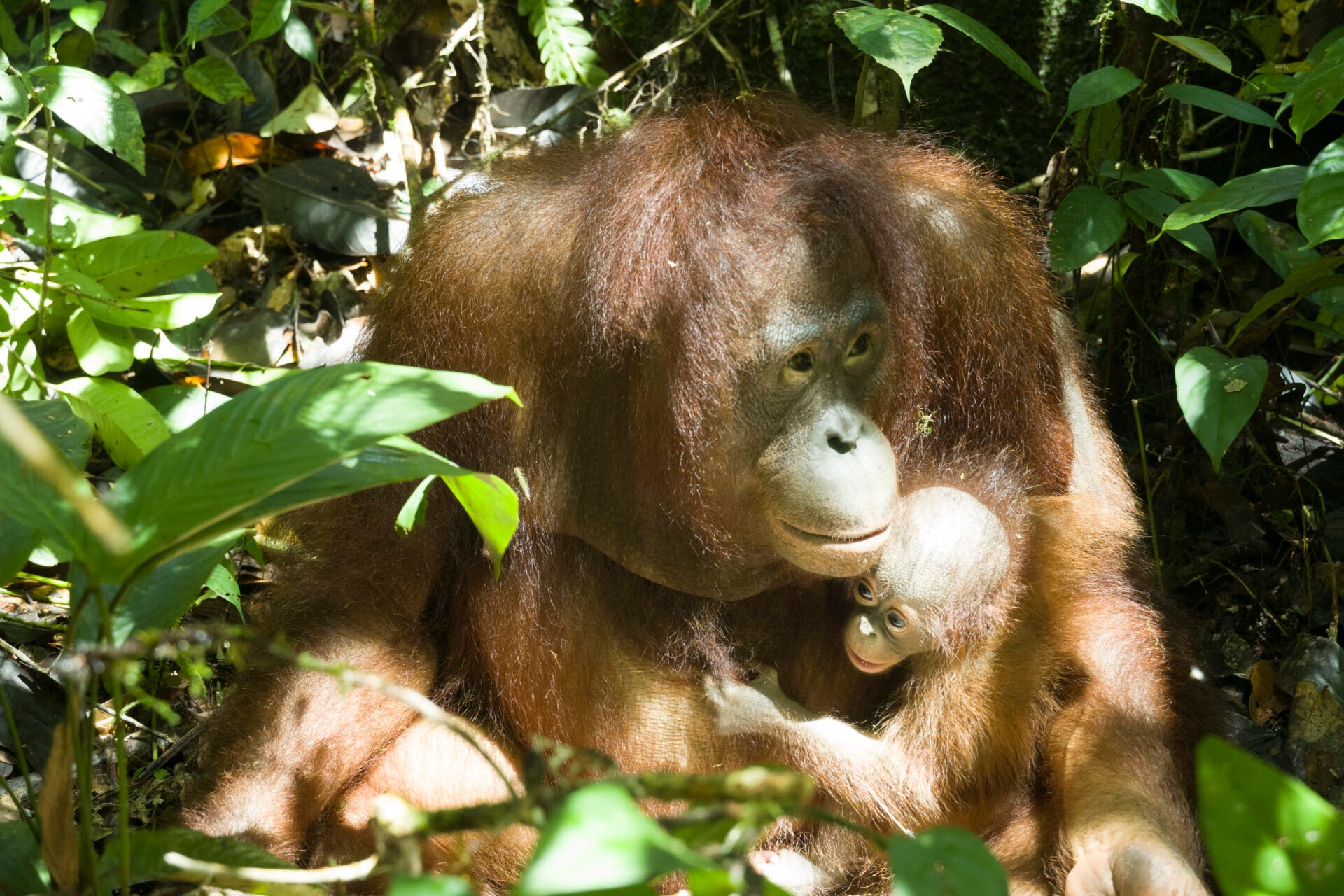
An orangutan surrogacy programme is giving the most vulnerable baby great apes in Borneo something they thought they had lost forever – a mother’s love.
The project, run by YIARI, a partner organisation of Sussex-based International Animal Rescue (IAR), aims to care for vulnerable youngsters.
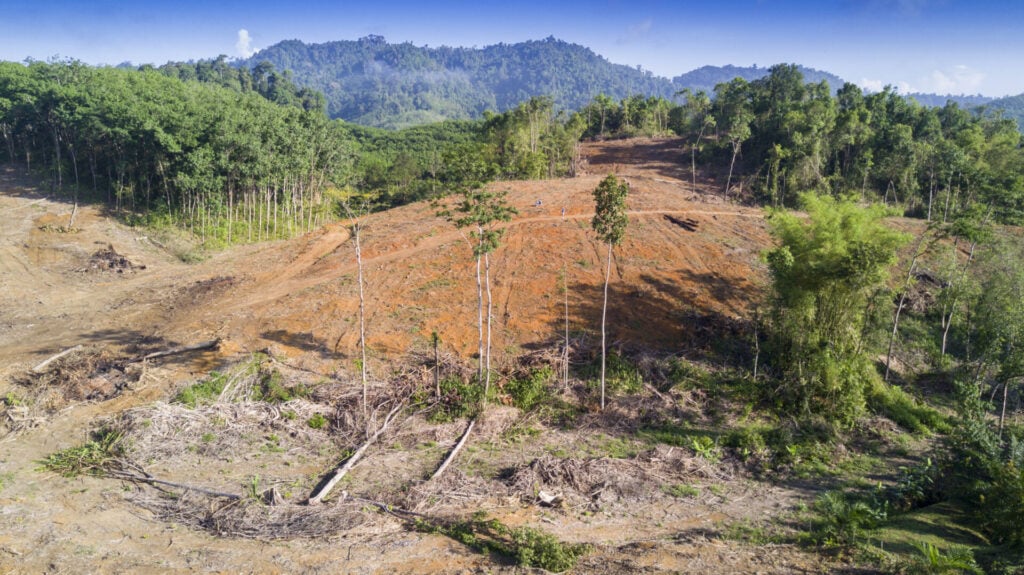
Deforestation caused by the rapid expansion of palm oil and industrial agriculture has destroyed vast amounts of the great apes’ habitat across North, South and East Borneo, with the climate crisis also a factor in the decline of the species, as forest fires and droughts devastate habitats.
Alongside habitat loss, the illegal wildlife trade continues to devastate the species. Orangutan infants are often captured to be sold as pets, a process that typically involves killing the mother.
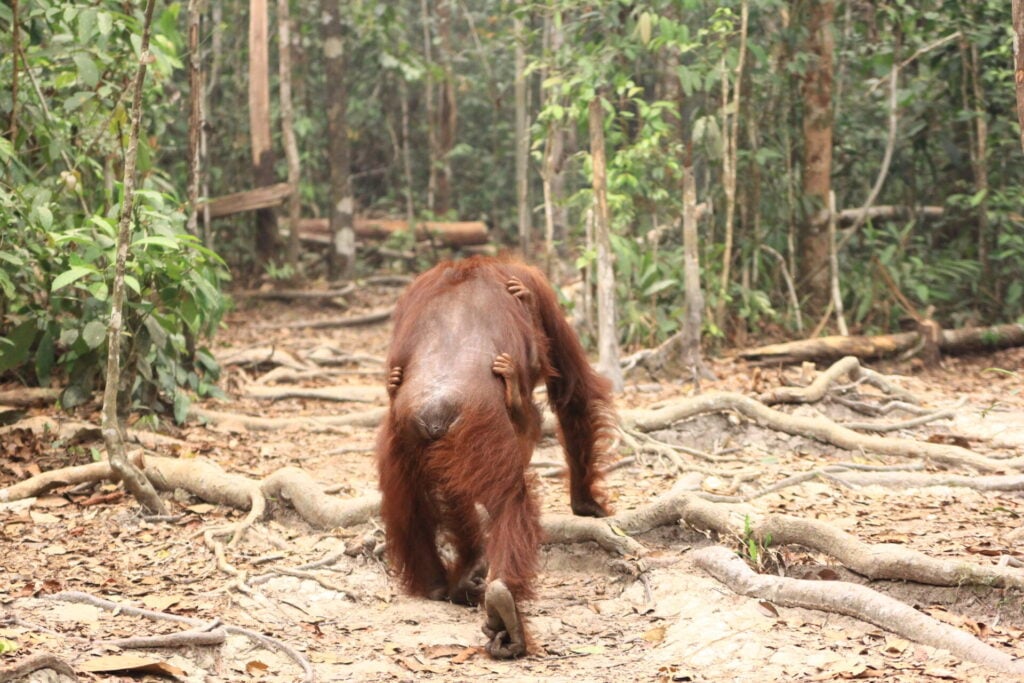
As a result, numerous orangutans have been left sick, starving, injured, orphaned or snatched illegally as pets with many arriving at rescue centres barely clinging to life.
At the YIARI rehabilitation centre in West Borneo, supported by IAR, teams have rescued 267 orangutans, with 131 successfully released back into the wild.
However, the youngest infants that have lost their mothers usually face no chance of survival without a parental role model to show them how to climb, forage, build nests and how to live in the forest again.
Teaching Tools at The Orangutan Surrogacy Programme
The centre has now developed a surrogacy programme, giving rescued orangutan mothers a second chance at life by pairing them with motherless infants. Adult females help nurture the infants, providing them with the care and skills they would usually learn from their biological mothers.
They are also taught how to trust the forest, equipping them with the tools needed for a hopeful return to the wild.
Currently, YIARI has established eight surrogate orangutan mother and infant pairs. Five of these pairs have already been released, now residing in the Bukit Baka Bukit Raya National Park.
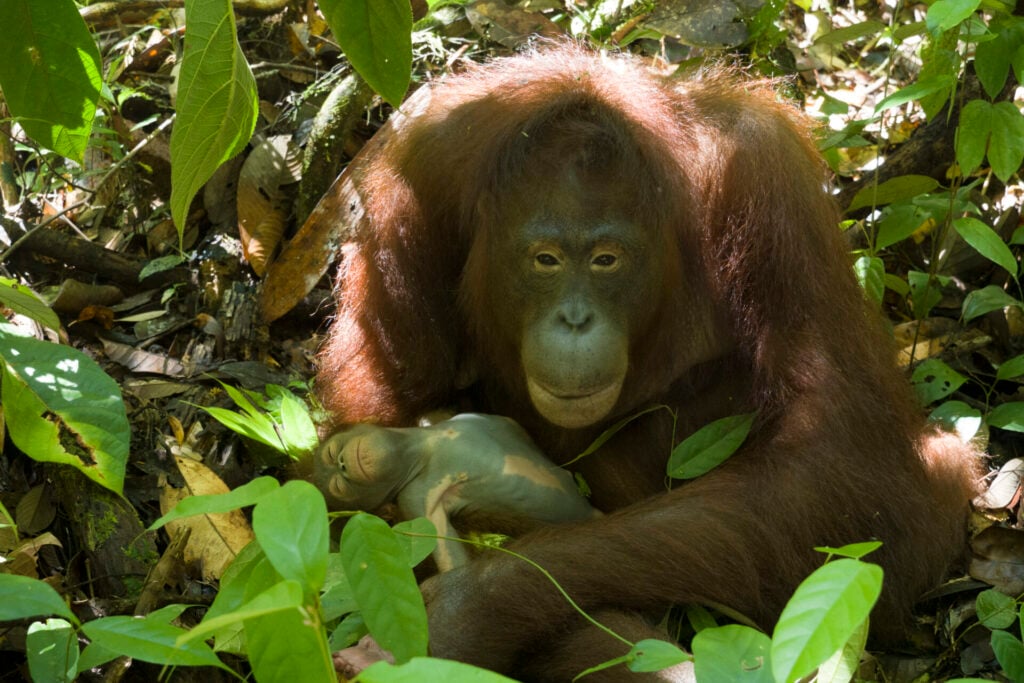
Alan Knight president of IAR, said: ‘This programme is absolutely transformational. It gives orangutan babies a mother again and with her, a future.’
The Palm Oil Problem
The most significant threat to Bornean orangutans is habitat destruction, primarily driven by the expansion of palm oil plantations, logging, and mining activities.
Between 1999 and 2015, the orangutan population halved from approximately 300,000 to 150,000, and it has continued to decline, with current estimates suggesting only about 100,000 remain.
Forests are being converted for agricultural use reduces the available habitat for orangutans but also fragments their living space, making it difficult for them to find food and mates.
One sucesful rescue from the project is Muria, who spent the first 11 months of her life chained by the neck and confined to a tiny cage. Rescued and rehabilitated, she was released into the forest alongside fellow orangutan Zoya in 2019 and both have since thrived in the wild.
Orangutans have a slow reproductive rate, with females only giving birth every seven to eight years. However, within three years of her release, Muria was found with a wild-born baby of her own, which staff at the centre have named Bumi.
‘Muria and Zoya have stolen the hearts of everyone working at YIARI and we can’t wait to see what the future brings with their new wild-born baby,’ said Knight.