Sustainable fashion myths are everywhere, and many of them come straight from the labels. Tags promise conscious, eco and recycled, yet regulators, researchers and reporters keep finding that the story behind the tag is thinner than it looks.
Here are six sustainable fashion myths worth rethinking before your next purchase, and what the evidence actually says. Your choices still matter, but the biggest wins are usually less glamorous than the marketing suggests, so don’t take everything at face value.
Myth 1: If a label says ‘sustainable’, someone has checked
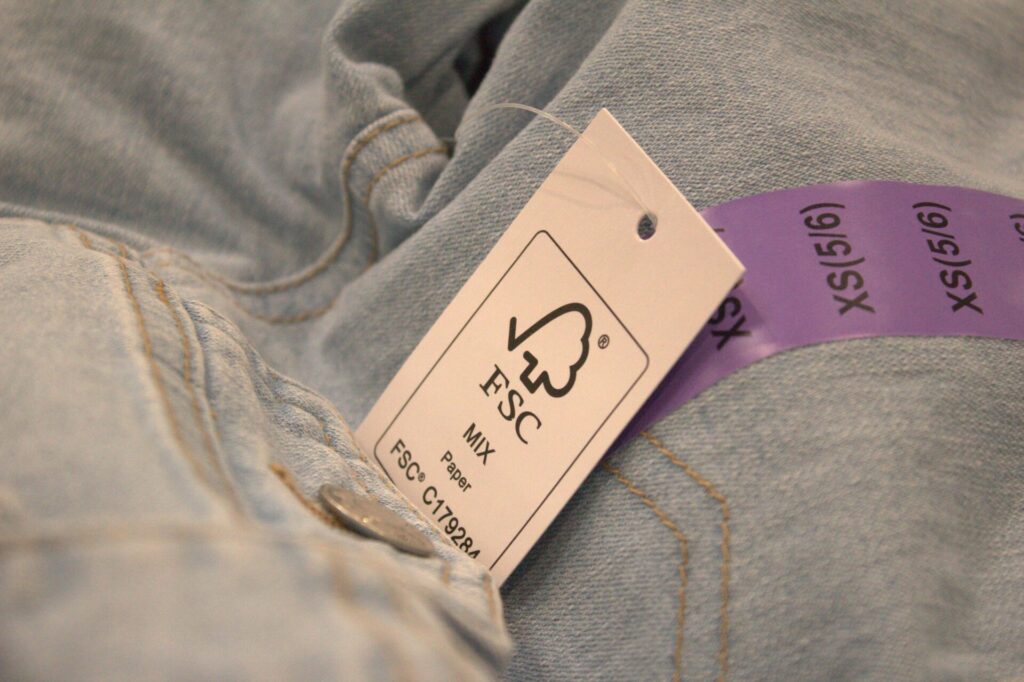
Not necessarily. Until recently, a brand could print a green claim with little proof behind it, but regulators say that is now changing.
In the UK, the advertising regulator has ruled against Lacoste, Nike and Superdry for using blanket ‘sustainable’ claims on clothing ranges, and the competition watchdog can now fine companies up to 10 per cent of global turnover for misleading claims. In the EU, a directive banning vague and unsubstantiated green claims was due to apply from 27 September 2026. Shein is one example. It dropped net-zero claims in Germany after a challenge from an environmental group.
What to do: Treat words like ‘eco’ and ‘conscious’ as marketing, not proof. Look for specific claims, such as a named material with a percentage, and independent certification.
Myth 2: Natural fibres are always the greener choice
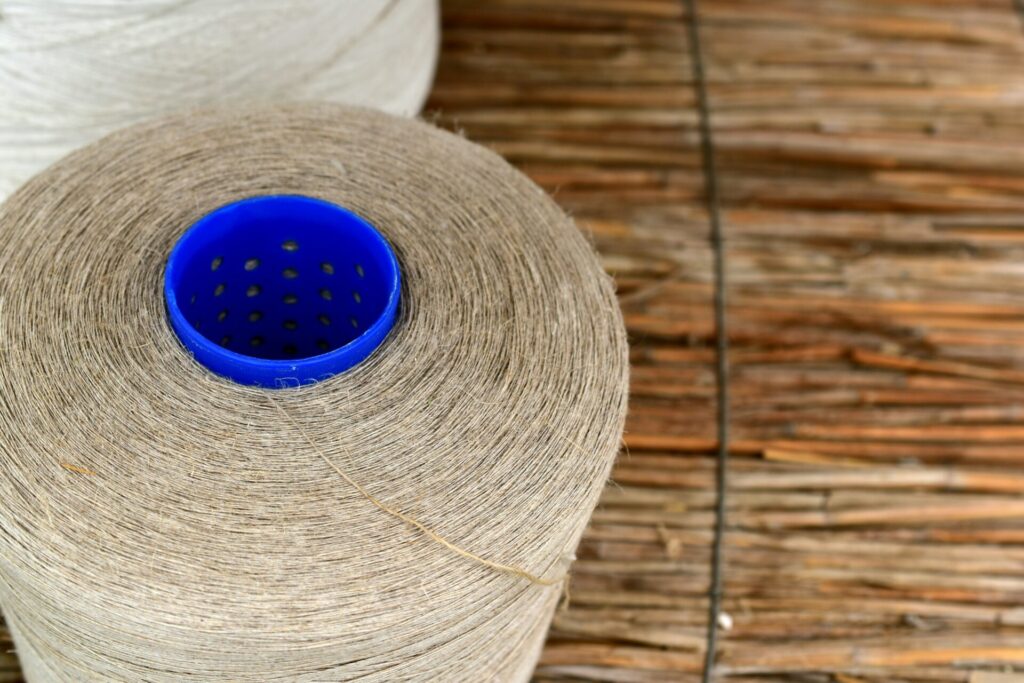
It depends on the fibre, and the answer is often surprising. Life-cycle reviews have repeatedly flagged conventional cotton as a heavy hitter on water, land and chemical use. Polyester has a lower water footprint and often lower lifetime emissions than cotton, though it comes from fossil fuels and its manufacture is energy-intensive. Viscose is not a simple fix either: one study found modern Austrian-made cellulosic fibres scored best overall, while Asian-made viscose came out comparable to polyester.
Regenerative cotton uses practices like cover crops and minimal tillage to rebuild soil. One Turkish farm reports its soil absorbing more than 18 tonnes of carbon per hectare a year after four years of regenerative farming. The farm manager also says soil organic matter has doubled in four years, and the cotton needs less fertiliser and water each year. A pilot project in the same country found up to 15 times more carbon stored in the soil than carbon sequestration in general.
[Recycled polyester] is still better than virgin polyester on energy and emissions in manufacturing, but it doesn’t solve microfibre shedding, and one Turkish university test found recycled polyester shed 55 per cent more microfibres than virgin
The issue is that there is no single definition for regenerative. Textile Exchange says regenerative agriculture is place-based and has no one-size-fits-all definition. Unlike organic, there’s no single global standard, so a farmer could sow cover crops and call it regenerative while ignoring biodiversity.
The fibre label tells you less than you think. How a garment is made, washed and dried, and how often it is worn, changes the picture.
What to do: Ask how long you will wear it, not only what it is made of.
Myth 3: Recycled polyester means old clothes become new ones
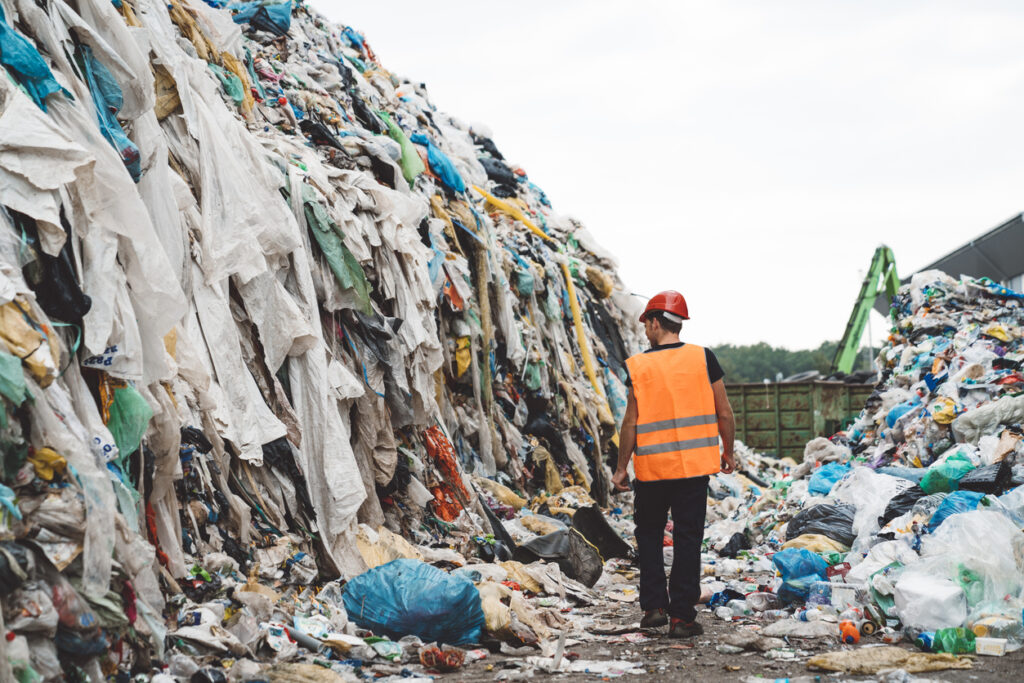
Mostly, it doesn’t. About 98 per cent of recycled polyester comes from plastic drink bottles, and textile-to-textile recycling supplies less than 1 per cent.
That matters because a bottle already has a recycling loop and can be recycled many times, while a polyester T-shirt usually can’t be recycled again. Recycled polyester is also still a small slice of the market. Polyester made up 54 per cent of global fibre in 2022, but only 14 per cent of that polyester was recycled.
It is still better than virgin polyester on energy and emissions in manufacturing, but it doesn’t solve microfibre shedding, and one Turkish university test found recycled polyester shed 55 per cent more microfibres than virgin.
What to do: Treat ‘recycled’ as a modest improvement, not a clean slate. Ask whether the fibre came from textiles or bottles.
Myth 4: Donating clothes guarantees they get a second life
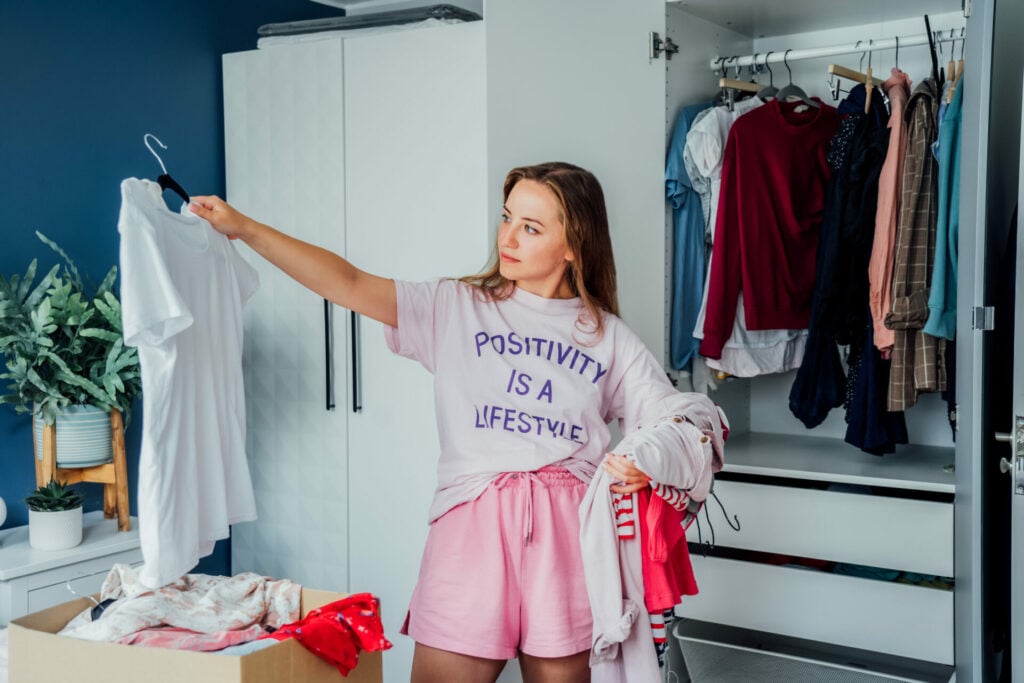
Often they do, but a donation bin is not a guarantee. Charities sell only about 10 per cent of the items they receive, and the rest moves through a chain of buyers until the last one is left with the poorest-quality pieces.
Much of that leftover stock ends up in markets such as Kantamanto in Accra, Ghana, which receives roughly 15 million garments a week. The Or Foundation says about 40 per cent eventually becomes waste but that figure is disputed. The Ghana Used Clothing Dealers Association says under 5 per cent of imported used clothing is waste, and points out that the secondhand trade supports 2.5 million jobs in Ghana.
In 2023, University of Leeds researchers tested 65 items priced from under $10 to over $285 and found no link between price and durability… A T-shirt costing under £5 ranked second most durable in that study
The numbers are contested, but the global trade in used clothing is huge either way, which is why what we buy and how long we keep it matters.
What to do: Buying secondhand is still a good move. Donate only what is clean and wearable, and buy fewer things so there is less to move around the world.
Myth 5: A higher price means a more sustainable garment
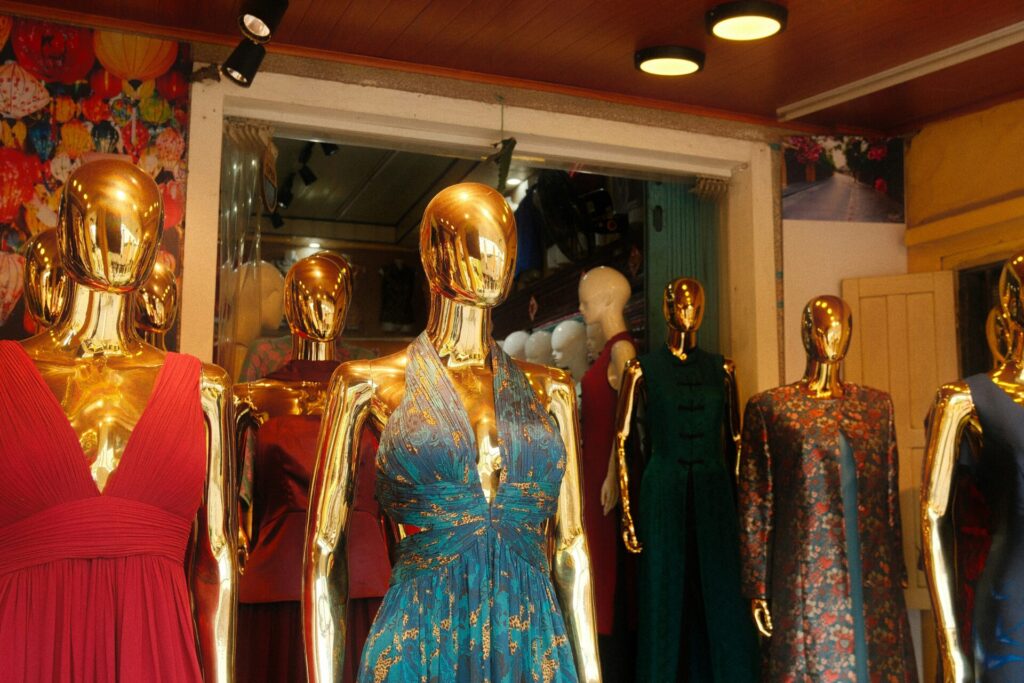
Price is a poor guide to durability, and durability matters because a longer-lasting garment spreads its environmental impact over more wears. In 2023, University of Leeds researchers tested 65 items priced from under $10 to over $285 and found no link between price and durability. Only men’s hoodies showed consistently better performance at higher prices. A T-shirt costing under £5 ranked second most durable in that study. A later test of 47 T-shirts by WRAP and the Leeds Institute of Textiles and Colour reached the same conclusion.
Durability is only part of the picture, since a cheap item made in huge volumes still adds up. But a big price tag is not proof of quality or sustainability.
What to do: Judge a garment by its stitching, fabric and fit, and by whether you will wear it often, not by the label’s price.
Myth 6: Fashion is the world’s second most polluting industry, after oil
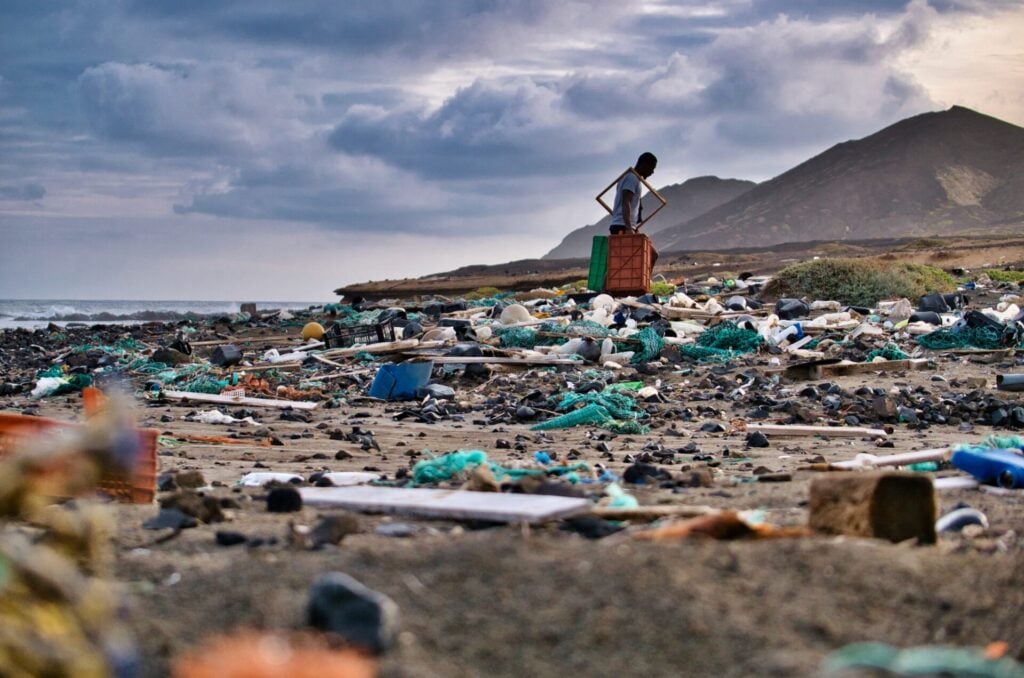
This is the most repeated of all the sustainable fashion myths, and there is no credible source for it. Journalists who tried to trace it found a chain of articles quoting each other, and a New York Times investigation in 2018 helped expose it. A widely repeated version traced back to a remark by designer Eileen Fisher, which she was later unable to substantiate.
The real picture is still serious, but harder to pin down. Estimates of fashion’s share of global greenhouse gas emissions range widely depending on what is counted. One industry report put apparel at about 1.8 per cent in 2021, while UN-linked estimates run as high as 8 to 10 per cent.
Climate accounting splits global emissions into sectors, and in 2019 the IPCC’s sixth assessment put energy at 34 per cent, industry at 23 per cent, and agriculture, forestry and other land use at 22 per cent (Rural 21). Those are the three biggest sources, and fashion draws on all of them.
- Energy and industry: turning fibre into fabric is energy-hungry. The Apparel Impact Institute found that textile processing was the largest source of apparel emissions in 2023 at 55 per cent, followed by raw material production at 22 per cent. The electricity grids in most major production countries are coal-based.
- Agriculture and land use: cotton is one of the most chemically intensive crops, while wool, leather and rubber come from grazing land or agroforests.
Beyond the sustainable fashion myths: what to do instead
The common thread through all six sustainable fashion myths is that the greenest garment is the one worn the most. Less than 1 per cent of the material used to make clothing is recycled into new clothing, according to UNEP figures, so recycling is not going to rescue overproduction.
- Buy less, and wear what you own more. One think tank has argued that a 1.5°C pathway means buying no more than five new items a year.
- Read claims like a sceptic. Prefer specific details over buzzwords, and be wary of blanket ‘sustainable’ labels.
- Choose on quality, not price. Check seams, fabric and fit before you buy.
- Go secondhand, but donate wisely. Pass on clean, wearable items and buy secondhand first.
- Ask for the source. When someone quotes a startling fashion statistic, ask where it comes from.