For decades, southern Europe has represented long lunches under olive trees, whitewashed villages and endless beaches with turquoise waters. Sun-drenched summers have lured millions of tourists, retirees and second-home buyers. But as another summer brings yet more extreme temperatures, devastating wildfires, and water shortages across the Mediterranean, a once-unthinkable question is being asked: could parts of Europe become too hot to live in?
Europe is now the fastest-warming continent on Earth. It has warmed by around 2.5°C since pre-industrial times, while average temperatures have been rising at more than twice the global rate. In 2025, heatwaves stretched across the continent, 70 per cent of European rivers recorded below-average annual flows, and wildfires burned the largest area ever recorded. The World Health Organisation estimates that heat caused more than 60,000 deaths in 2022 and around 47,500 in 2023. Without further adaptation, that figure could rise to 120,000 deaths annually by 2050.
This does not mean that countries like Spain, Greece, Italy or France are about to become uninhabitable. However, climate scientists agree that if greenhouse gas emissions continue on their current trajectory, parts of southern Europe could become increasingly difficult and expensive to live in comfortably. The biggest change may not be whether people can live there, but whether they still want to.
Spain
Spain has become one of Europe’s starkest examples of climate volatility. Its national temperature record remains 47.6°C, measured in Córdoba in 2021, but extreme heat is becoming more frequent and arriving earlier: 2025 was Spain’s hottest summer on record, while the country endured repeated heatwaves and temperatures above 40°C. Around 3,832 deaths were attributed to high temperatures that year, the second-highest annual toll recorded by Spain’s mortality-monitoring system.
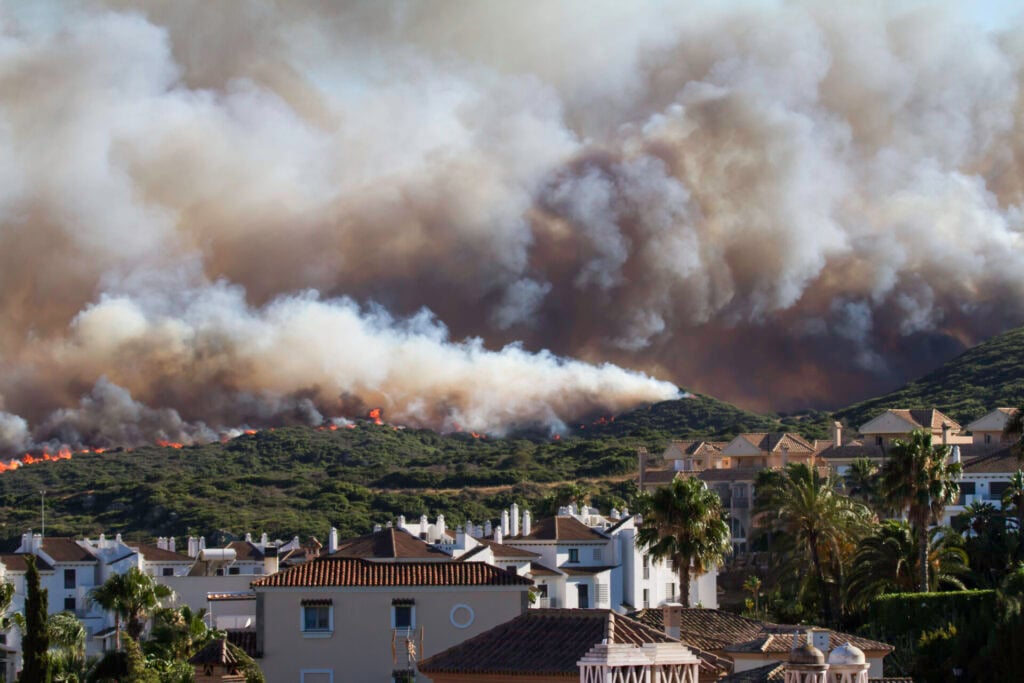
Wildfire risk is escalating just as rapidly. In 2025, approximately 460,585 hectares burned in Spain, 43 per cent of the entire EU total, as prolonged heat and dry vegetation fuelled the continent’s most destructive fire season on record. Yet Spain’s climate threat is not confined to heat and fire.
On October 29, 2024, torrential rain triggered devastating flash floods in and around Valencia, killing around 230 people. At one official weather station, 771.8mm of rain – more than the local annual average – fell in just 16 hours, overwhelming rivers, roads and drainage systems and sweeping away homes and vehicles. Spain has already suffered more than €95 billion in direct losses from weather and climate extremes since 1980, with insurers facing growing exposure to floods, drought and wildfire. The Valencia disaster demonstrated that even densely populated coastal areas can become dangerous within hours.
Spain is unlikely to become uninhabitable; rather, parts of it may become expensive and difficult to live in, requiring more cooling, tighter water controls, stronger flood defences and, for some, an escape from the most extreme summer weeks.
Greece
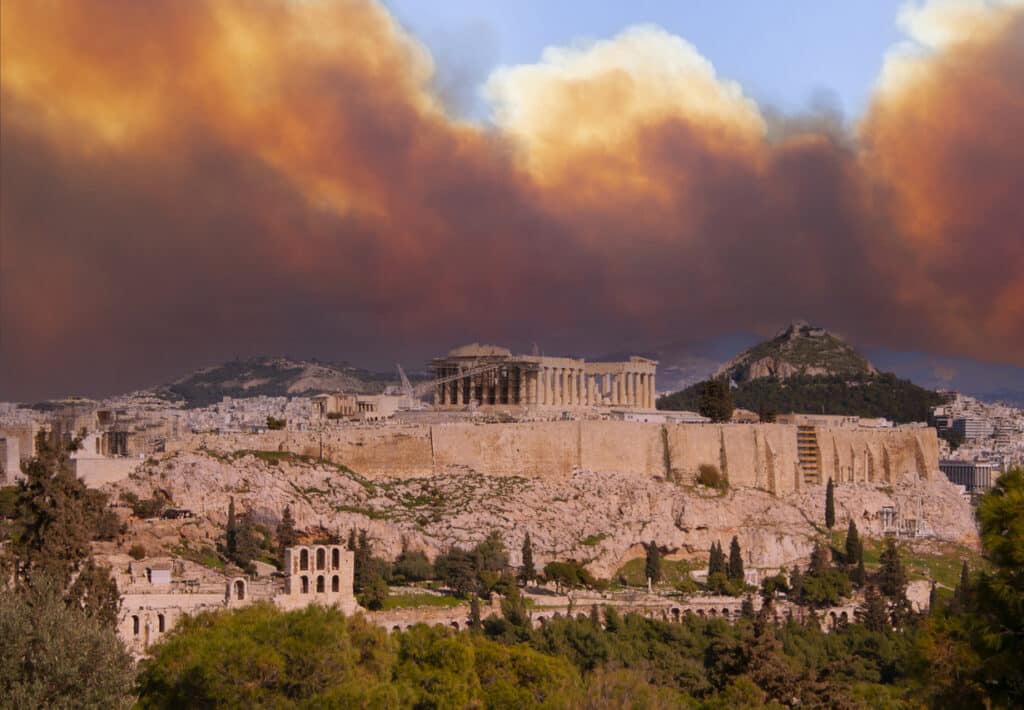
Before Italy claimed the continental record, the highest recognised temperature in Europe was 48°C, recorded in Athens and Elefsina in July 1977. Temperatures approaching the mid-40s are recurring during modern Greek heatwaves. In 2023, the country experienced a prolonged period of extreme heat that coincided with catastrophic fires across Rhodes, Attica and northern Greece.
The fire in the Evros region burned more than 90,000 hectares, making it the largest single wildfire ever recorded within the European Union at that time. Across Greece, the 2023 fires killed at least 28 people, injured dozens and forced more than 20,000 people to evacuate. On Rhodes, tourists fled hotels and coastal resorts in what Greek authorities described as the country’s largest-ever wildfire evacuation. Seventy-nine people were arrested for arson.
The direct cost of the 2023 Greek wildfires has been estimated at around €600 million, although Greece’s dependence on tourism creates a particular vulnerability. A fire does not have to destroy a hotel to inflict economic damage. Airport disruption, evacuation images, poor air quality and cancelled bookings can affect an entire island or region.
The insurance implications are also significant. Villas surrounded by forest, properties with a single access road and homes in areas where evacuation would be difficult may become more expensive to insure. Rebuilding costs are also rising, increasing the potential size of each claim. A well-insulated apartment in Athens with reliable air conditioning remains habitable during a heatwave, but a remote house surrounded by dry forest, with limited water and one road out, could be a very different story.
Italy
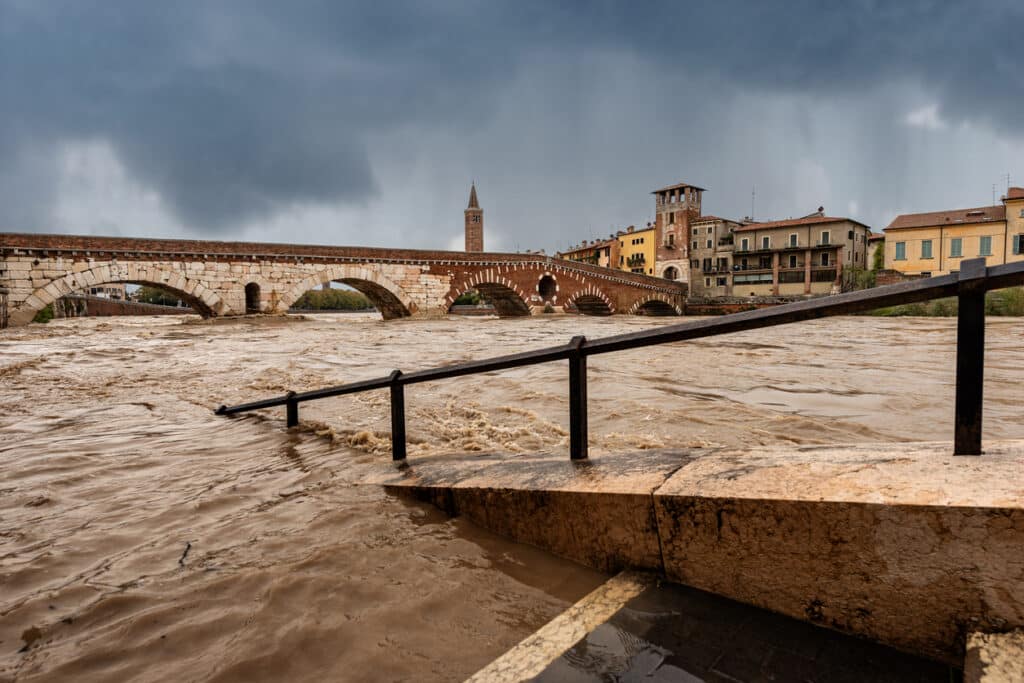
Italy holds the official record for the highest temperature ever measured in continental Europe, after a monitoring station near Syracuse in Sicily recorded 48.8°C in August 2021. But the country’s climate risks now extend far beyond record-breaking heat. In 2023, Italy experienced 42 days of intense heat (36 more than the average), while 2024 became Europe’s hottest year on record. Sicily, Sardinia and southern mainland regions remain particularly exposed to heat arriving from North Africa, yet northern cities such as Milan and Bologna are also experiencing increasingly dangerous urban heat.
Wildfire seasons are lengthening too, with Italy ranking among Europe’s worst-affected countries for both the number of fires and the area burned in 2024. At the same time, the country is facing the opposite extreme.
While Sicily endured its worst drought in almost 20 years in 2024, with reservoir levels falling by 45 per cent, water rationing affecting up to two million people, and agricultural losses reaching an estimated €2.7 billion, northern Italy has suffered repeated catastrophic floods. The devastating Emilia-Romagna floods of 2023 were followed by further flooding in 2024, while Venice continues to battle rising sea levels despite its MOSE flood barrier system.
Warning-level drought persisted across southern Italy into 2025, highlighting how the country is increasingly being squeezed between drought in the south and flooding in the north. Sicily, Sardinia, Calabria and Puglia are unlikely to become uninhabitable, but hotter summers, mounting water shortages, and more frequent climate extremes are likely to make them increasingly difficult places to live, while tourism continues to shift towards the cooler seasons.
France
France is no longer just watching southern Europe struggle with climate change; it’s increasingly experiencing it firsthand. The country recorded its third-hottest June on record this summer, with temperatures reaching 43.8 °C in the town of Pulluau. Last year, two major heatwaves affected around 80 per cent of the population, 78 departments were placed under water restrictions and more than 30,500 hectares were destroyed by wildfires.
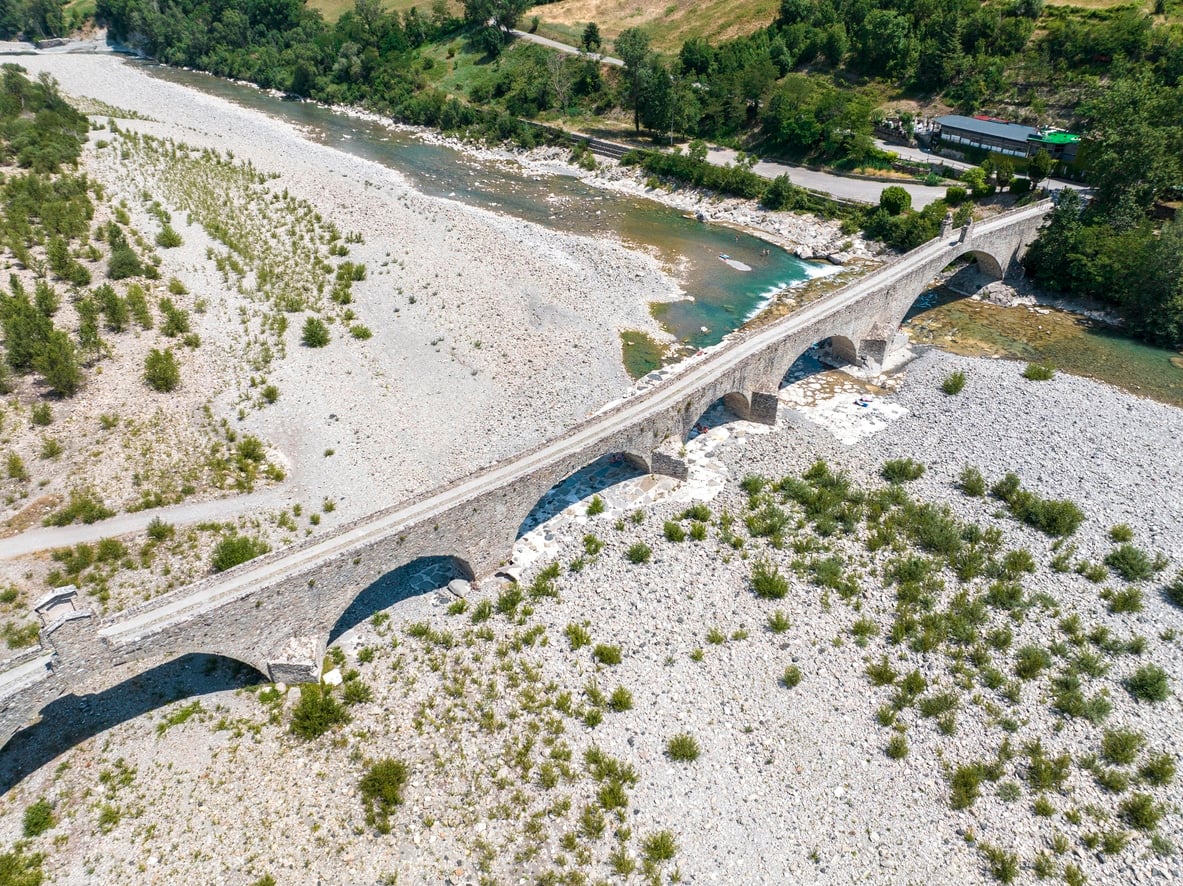
But rising temperatures are only part of the story. Record drought has repeatedly left sections of the Loire River at historically low levels, disrupting ecosystems, agriculture and river transport, while in the French Alps, glaciers such as the Mer de Glace continue to shrink at an alarming rate, increasing the risk of landslides and rockfalls.
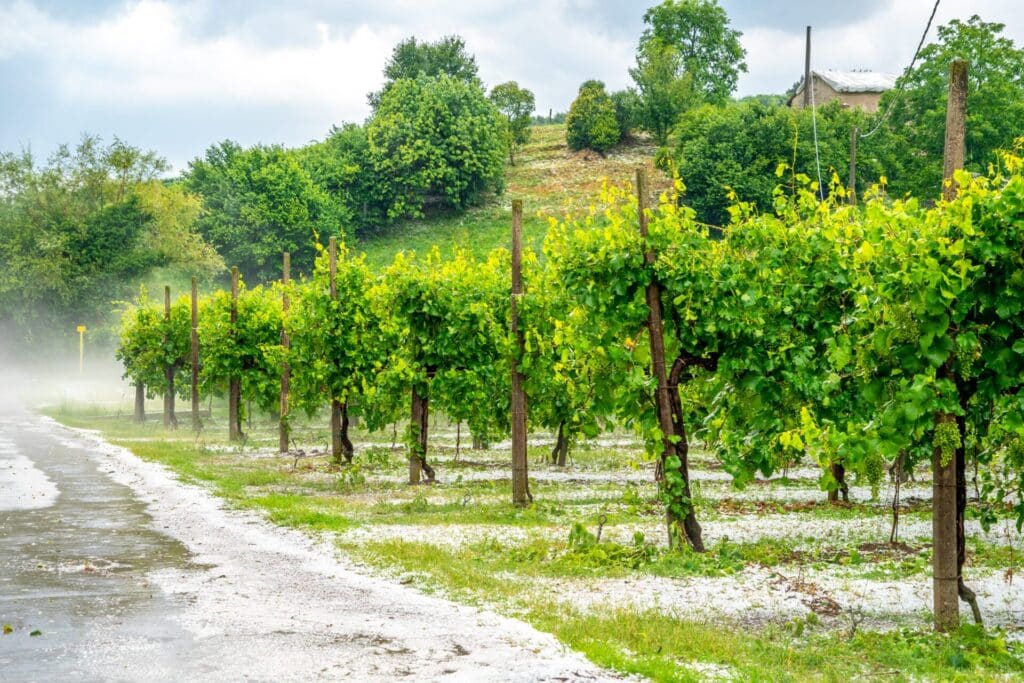
France has also seen an increase in violent thunderstorms, flash flooding and destructive hailstorms, with giant hail causing millions of euros of damage to vineyards, crops, homes and vehicles in some of the country’s most important wine-growing regions
Climate-related disasters cost France an estimated €5.2 billion in 2025 alone, contributing to around €130 billion in weather- and climate-related losses since 1980. Southern regions such as Provence, Occitanie and Nouvelle-Aquitaine are expected to face increasing pressure from drought, wildfire and water shortages, while traditionally cooler regions, including Brittany, Normandy and parts of central France, may become increasingly attractive as residents and tourists seek refuge from hotter summers.
So, could parts of Europe really become too hot to live in?
Not in the sense that entire regions of Spain, Greece, Italy or France will soon become empty. But habitable is not the same as comfortable, healthy or affordable.
A place may remain technically liveable while experiencing weeks of temperatures above 40°C, dangerous nighttime heat, water restrictions, recurrent wildfire alerts, rising electricity bills and more expensive insurance.
Those effects will not be felt equally. Wealthier households can install cooling, improve insulation, maintain defensible space around their homes or leave during the hottest weeks. Lower-income residents like agricultural workers, elderly people and those living in poorly designed housing won’t have as many options.
Europe’s climate divide may not simply be between north and south, but between those who can afford to adapt and those who can’t.
The Mediterranean will not cease to be one of the world’s most desirable places to live. But the lifestyle associated with it is changing. In future, the most valuable luxury may no longer be uninterrupted sunshine. It may be shade, water, insuranc and a reliable way out when fires begin.