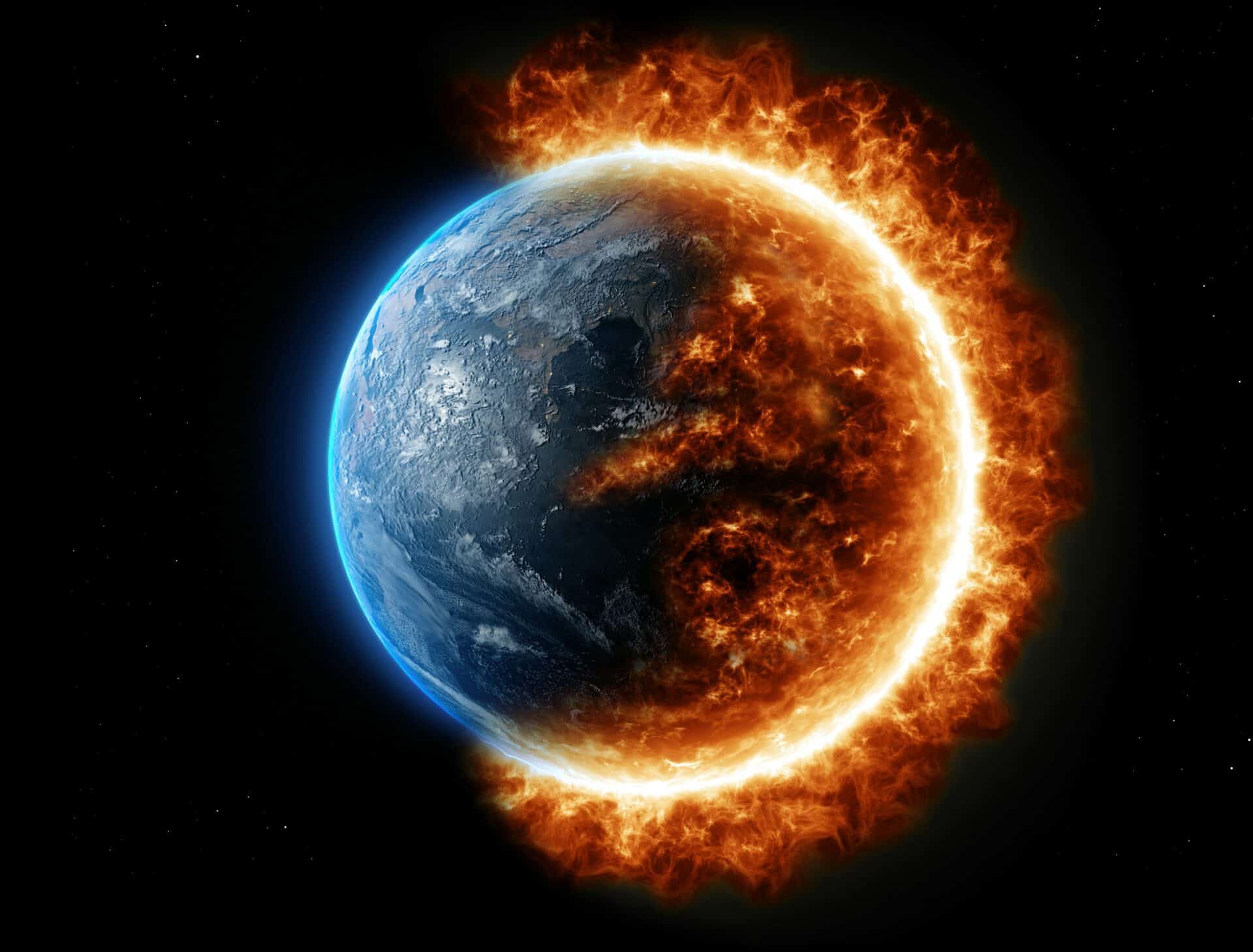
The world is heading towards an ‘irrevocable overshoot’ of the Paris Agreement’s 1.5°C warming threshold unless countries dramatically cut greenhouse gas emissions.
That’s the stark warning from the latest assessment by Climate Action Tracker, which says that despite another round of national climate commitments, governments are still falling dangerously short of the action needed to tackle global warming.
Under current policies, global temperatures are projected to rise by 2.7°C above pre-industrial levels by 2100, higher than last year’s estimate of 2.6°C.
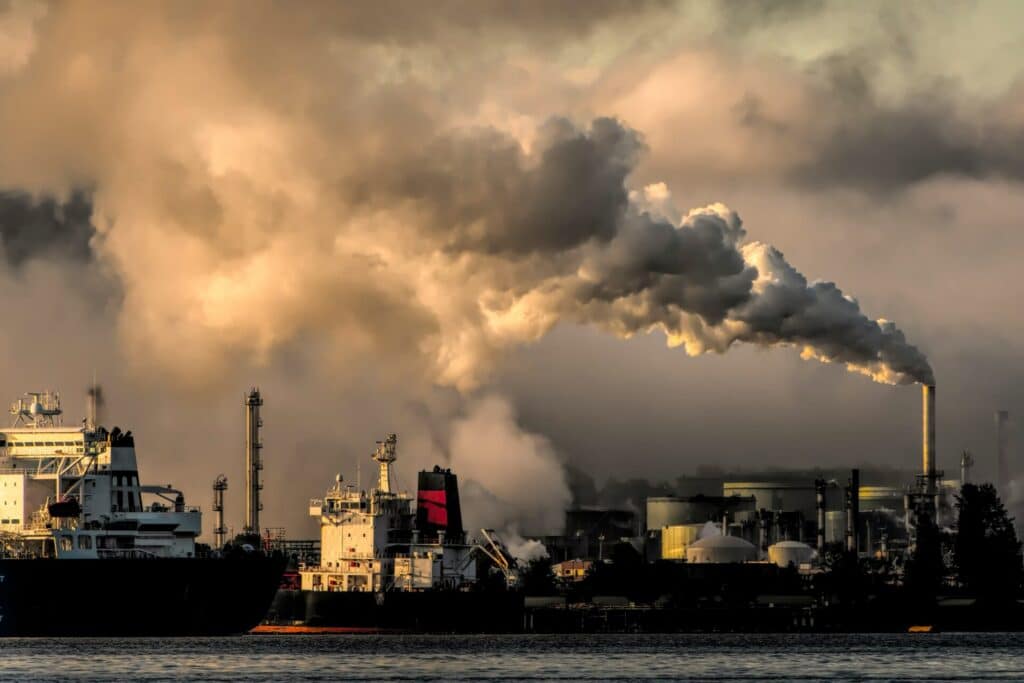
The report warns that even if governments deliver on their existing 2030 and 2035 emissions targets, the world would still be heading for 2.6°C of warming, while the most optimistic scenario, in which every announced climate pledge and net-zero target is fully implemented, would still result in 1.9°C.
Five Years of Lost Progress
With UN climate talks underway in Turkey, experts warn that collective action has stalled for the fifth consecutive year.
The report singles out the United States, Canada and New Zealand for rolling back climate policies, while warning that other governments are continuing to approve new fossil fuel projects despite their commitments to reduce emissions.
Climate Action Tracker says the consequences of continued inaction could be catastrophic, bringing increasingly deadly heatwaves, extreme weather, biodiversity loss and economic damage.
The world is now expected to cross the long-term 1.5°C warming threshold around 2030, making it increasingly important to limit how far temperatures rise beyond that point and how long they remain there.
Renewable Energy Offers Some Hope
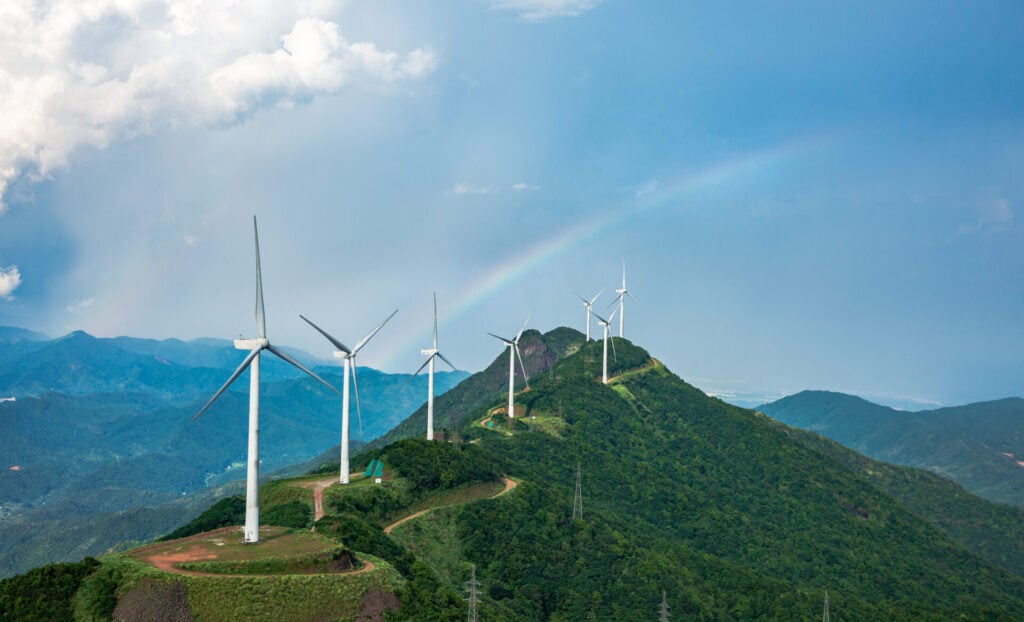
Renewable energy deployment continues to set records, particularly in China and India, while electric vehicle adoption accelerates.
According to the report, clean electricity met all additional global electricity demand in 2025, preventing further growth in fossil-fuelled electricity generation that year.
Brazil has also made significant progress in tackling deforestation, with Amazon forest loss falling by 31 per cent in 2024.
However, rising global energy demand and continued investment in coal, oil and gas mean these gains have yet to translate into the emissions reductions needed to change the world’s warming trajectory.
What Needs to Happen to Prevent the Irrevocable Overshoot?
Climate Action Tracker identifies five priorities for bringing global temperatures back towards safer levels: moving away from fossil fuels, cutting methane emissions, accelerating renewable energy and electrification, ending deforestation, and using carbon removal technologies alongside, rather than instead of, emissions reductions.
The report says global emissions need to fall by around four per cent annually through 2030, with reductions accelerating substantially in the decades that follow.
It also calls for governments to honour the commitment made at COP28 in Dubai to transition away from fossil fuels. While temporarily exceeding 1.5°C is now considered unavoidable, researchers stress that the extent of future warming is still within humanity’s control.
Their message is clear: every fraction of a degree matters, and the longer governments delay meaningful action, the more difficult and costly it will become to avoid the worst consequences of climate change.